Why Buy a Smartphone?
These cellular devices are much more than just cell phones; they provide instant access to the web. Whether you’re researching news to predict the stock market or looking for the perfect golf course on the weekend, you’ll find it on the net.
Many of these devices allow you to sync with your desktop computer. This means you can store, view, and work on documents directly on your handheld. You can also receive and respond to emails as they arrive in your inbox on your home computer with real-time push email.
These products can also serve as multimedia devices, so your entertainment goes with you. They can store and display pictures and videos of friends and family and even entire feature-length movies. Most can take pictures and capture video, but the most common multimedia function is the ability to play MP3s—sit back, relax, and enjoy your favorite tunes while traveling or during breaks.
Another perk of using one of these devices is the fairly recent development of third-party applications (or apps). These apps range from those geared toward hardworking business tasks to entertaining games and everything in between. With thousands of apps available to download in a range of prices, there’s sure to be something that will appeal.
Smartphones: What to Look For
In the past, business people were easily identifiable—they carried large briefcases, binder planners and perhaps a brick cell phone. The scene has changed and so has the way we conduct life and business. One of these devices stores important data and documents, offers a calendar planner, provides instant access to the internet and email and keeps you in touch with clients, coworkers, friends and family – anytime and anywhere.Below are the criteria TopTenREVIEWS used to evaluate these cellular devices.
Design
Size and weight, along with screen size and resolution, make a difference in the display and handling of these devices.
Size and weight, along with screen size and resolution, make a difference in the display and handling of these devices.
Multimedia
The best business cell phones have at least a 5 megapixel camera with zoom features and the ability to play and record audio and video. These cell phones act as life management devices and include organizational features like calendars and task lists. Most sync with home computers allowing for document viewing and editing.
The best business cell phones have at least a 5 megapixel camera with zoom features and the ability to play and record audio and video. These cell phones act as life management devices and include organizational features like calendars and task lists. Most sync with home computers allowing for document viewing and editing.
Call Features & Quality
The foundation of business is communication, and these product's first function is as a cellular phone. These devices for business should include all typical cell phone features including speakerphone, three-way calling, voice dialing, call waiting, etc.
The foundation of business is communication, and these product's first function is as a cellular phone. These devices for business should include all typical cell phone features including speakerphone, three-way calling, voice dialing, call waiting, etc.
Battery Life & Memory
The most practical products are compact, include good input and display options, and enough battery life to last through a full day’s work and beyond.
The most practical products are compact, include good input and display options, and enough battery life to last through a full day’s work and beyond.
Additional Features
Many cellular devices include practical tools like calculators, map applications and GPS. Some have the ability to support third-party or browser-based programs that can perform a variety of specific functions. Third-party apps are becoming a key component, allowing the user to customize their smartphones to support their lifestyles.
Many cellular devices include practical tools like calculators, map applications and GPS. Some have the ability to support third-party or browser-based programs that can perform a variety of specific functions. Third-party apps are becoming a key component, allowing the user to customize their smartphones to support their lifestyles.
Who's the top smartphone maker?
Apple and
Samsung are duking it out for the smartphone crown, but other contenders
are up for a good fight too. Who do you think is the top smartphone
maker?

The Galaxy S III is Samsung's latest smartphone volley.
(Credit:
Samsung)
It's epic. There's the clashing of pixels, the gnashing of
processors, and the crunching of operating systems locked in a battle
for supremacy.
Apple and Samsung both have claims to the crown, but (much like the Highlander) there can be only one!
Apple topped the U.S. smartphone market with a 29 percent share in the first quarter, according to stats from NPD, but Samsung rocketed to a 24 percent share in the same period. Worldwide, it's a flipflop. Samsung rode the popularity of Android into the No. 1 smartphone slot last quarter with 29 percent global market share, according to IDC, while Apple accounted for 24 percent.
Choosing a smartphone king can be subjective depending on the criteria you're using. You may have an emotional attachment to your Samsung Galaxy S II or undying loyalty to the iPhone 4S. You may decide to go strictly by the global sales numbers or you may give more weight to the U.S. market.
Apple and Samsung are the current heavyweight contenders when it comes to market share, but they're not the only smartphone options. The Motorola Droid Razr Maxx can be found on CNET's current Best Smartphones list and HTC's One also staked a claim on the list.
Let's tackle this issue with a subjective opinion poll. Who reigns supreme over the smartphone world? Your choice may range outside of the Apple versus Samsung clash, so we've got some options to reflect that. Vote in our poll and tell us in the comments what swayed you.
Apple and Samsung both have claims to the crown, but (much like the Highlander) there can be only one!
Apple topped the U.S. smartphone market with a 29 percent share in the first quarter, according to stats from NPD, but Samsung rocketed to a 24 percent share in the same period. Worldwide, it's a flipflop. Samsung rode the popularity of Android into the No. 1 smartphone slot last quarter with 29 percent global market share, according to IDC, while Apple accounted for 24 percent.
Choosing a smartphone king can be subjective depending on the criteria you're using. You may have an emotional attachment to your Samsung Galaxy S II or undying loyalty to the iPhone 4S. You may decide to go strictly by the global sales numbers or you may give more weight to the U.S. market.
Apple and Samsung are the current heavyweight contenders when it comes to market share, but they're not the only smartphone options. The Motorola Droid Razr Maxx can be found on CNET's current Best Smartphones list and HTC's One also staked a claim on the list.
Let's tackle this issue with a subjective opinion poll. Who reigns supreme over the smartphone world? Your choice may range outside of the Apple versus Samsung clash, so we've got some options to reflect that. Vote in our poll and tell us in the comments what swayed you.
Some Top Smartphones Review
Samsung Galaxy S3 Review (pebble blue, unlocked)
You've probably read all the rumors about the next Samsung Galaxy smartphone. And guess what -- most of them are pretty spot on. Samsung's upcoming flagship handset, now with an official name, the Samsung Galaxy S III, has finally made its debut here in the chilly English capital.
The handset official specs include a 4.8-inch HD Super AMOLED display with a 720p resolution (1,280x720 pixels), HSPA+ connectivity, an 8-megapixel camera, 2,100mAh removable battery, as well as a quad-core Exynos processor. It runs Android 4.0 Ice Cream Sandwich as its operating system, and will come in two color options: blue or white.
Meet the Samsung Galaxy S III.
(Credit:
Aloysius Low/CNET Asia)
I had a chance to handle the smartphone before the official launch event, and here are my initial impressions of the handset, including a look at some of the newer features of the TouchWiz user interface.
Samsung Galaxy S III
is a smartphone running the Android operating system that was announced by Samsung on 3 May 2012 in London. It is the successor to the Samsung Galaxy S II, The device will release in Europe on May 29, 2012. It will release in the US on June.
It will be available in two colour options—marble white and pebble blue—along with numerous new software features and hardware accessories. These include Smart Stay (the screen remains on when the user looks at the screen, otherwise it sleeps), Direct Call (which allows the user to call a person whose text message is currently on screen simply by raising the phone to the ear), Pop Up Play (allows a video and other activities to occupy the screen at the same time), S Voice, Buddy Photo Sharing, Allcast Share Dongle, Group Cast (documents collaboration), wireless charging, S Pebble MP3 player, dock/charger, C-Pen, slimline case, and car mount. The phone comes in 16 GB, 32 GB, and 64 GB variants, and an additional 50 GB of space is offered on the Dropbox service for purchasers of the device for two years, doubling rival HTC's 25 GB storage for the same duration.
The international version has Samsung's Exynos 4 Quad system on a chip containing a 1.4 GHz quad-core ARM Cortex-A9 CPU and an ARM Mali-400 MP GPU. However, the US version is expected to use Qualcomm’s dual-core Snapdragon S4 SoC to support LTE functionality.Dimensions of the device are 136.6 x 70.6 x 8.6 mm and weighs at 133 grams with a 2100 mAh Lithium Ion battery.
The Galaxy S III is the official device of the 2012 Summer Olympics.


 Upside
The 4.8-inch 720p display looks great -- everything appears sharp, fonts were crisp, and colors were vibrant. Samsung was not willing to tell me early if the display uses a RGB matrix display (three subpixels per pixel) or a PenTile (two subpixels per pixel) one. I suspect it's the latter because of the name of the display -- it lacks the "Plus" at end, which denotes the RGB matrix version. It's likely the S III uses the same display found on the Galaxy Note, but for a slightly smaller panel.
While the screen is huge, the phone doesn't feel big. It's slightly larger and thicker than the Galaxy S II, but still feels comfortable in my hands. At 4.7 ounces, it's 0.6 ounce heavier than the Galaxy S II and about 0.1 ounce heavier than the HTC One X. The S III is, however, thinner compared with the One X -- 0.3 inch versus 0.35 inch.
Samsung has also made its 2,100mAh battery removable, and the handset will come in three storage capacities: 16GB, 32GB, and 64GB (this latter size won't be immediately available). In addition, it has a microSD card slot for up to another 64GB of storage. The handset will have 1GB RAM for running applications.

The S III comes with a removable 2,100mAh battery.
(Credit:
Aloysius Low/CNET)
You can also take a picture while recording a video -- feel free to guess where you first heard of this feature. Other imaging-related enhancements include contact tagging and automatic photo grouping based on who is in the picture. The front-facing 2-megapixel camera will also have face detection -- which keeps the screen awake and from dimming if you are looking at it. It didn't seem to work when I tried it, but bear in mind that this sample is not the finished retail product.
Besides the obvious hardware improvements and software tweaks, Samsung has also added more tweaks to its TouchWiz UI. These include a new "Pop up Play" video function, which lets you watch a video while doing other things such as surfing the Web or sending text messages. Android Beam (an NFC-based feature) has also been beefed up -- it's now called S Beam and will also let you transfer large files using Wi-Fi Direct (for speeds of up to 300Mbps).

S Beam is like the NFC-based Android Beam, but also works with Wi-Fi Direct for sending large files.
Instead of the S Cloud rumors, the S III will come with a free two-year 50GB Dropbox account, twice that of the One X. Lastly, in what appears to be an S III exclusive, the handset will come with Flipboard for Android, a port of the popular news reading app previously only available on iOS.

Flipboard for Android on the Galaxy S III.
For those hoping the rumors about the micro-oxidized ceramic rear are true, well bad news. It's not. The Samsung Galaxy S III sticks to the same plastic build, only this time it comes in blue or white. While the handset felt solid, the plastic rear just doesn't give a good grip like the Galaxy Nexus, and it doesn't feel as durable as the polycarbonate finish of the One X.
Instead of software buttons, Samsung chose to use a traditional physical home button and touch-sensitive keys. I would have preferred the company to have made a bold switch with software keys, hence my disappointment. Also with the Menu key on the left instead of the Back key, I found myself accidentally hitting it while trying to go back. This will not be a problem if you're used to Samsung's button positioning, but if you're like me (I use phones mostly with my left hand), you may find a tired thumb from stretching too much to reach the back button.

Hello, home button. Why can't you be software-based instead?
Samsung has been doing relatively well in the mobile phone industry, and its latest flagship device looks like it will have a high chance of success, too. The plastic build may not be to everyone's liking, but the hardware and software improvements give smartphone buyers good reasons to get this handset. If the image quality of the Galaxy S III's camera can match or best the One X, the S III will likely be one of the best Android handsets you can buy this year.
FAQ:
Samsung Galaxy S III: Everything You Need to Know
Here's the scoop on what Samsung didn't discuss at the launch party of the next hot Android phone.
Storyline: Samsung Galaxy S III Launch

Samsung is the master of flash and flare at its press conferences, but we’re here to help you get to the nitty gritty of why you should care about this phone. The Galaxy S III will go on sale in Europe on May 23. No official word yet on a U.S. launch, but it could come this summer.
Can the S III Really Follow Your Every Move?
The Samsung S III really wants to be your new best friend--your new psychic best friend. According to Samsung’s somewhat creepy commercial (shown below), the S III “follows your every move.” Scared yet?In reality, the Samsung S III can do things like predict when you want the screen awake by using the front-facing camera to monitor your eyes. If you’re watching a movie on your phone and happen to fall asleep, the phone’s display will turn off.
The S III also has a feature called S Voice, which is a customized voice-recognition system. Hmm, sound familiar? Like Apple’s Siri, S Voice can recognize a variety of commands. For example, you can say “snooze” when your alarm goes off and buy yourself a little more sleeping time. You can also say “direct call” and ring somebody while you’re in the middle of a text. You can also control the volume of your music, organize your calendar, and launch the camera via voice commands.
However, there's no word, so far, on whether S Voice works with third-party applications. S Voice works with eight different languages, including British English and American English. A few of my friends from across the pond have complained about Siri’s difficulty in understanding them so I guess this is good news there.
Is It Quad-Core Powered?
Samsung confirmed before today’s announcement that the Galaxy S III phones will be powered by the company’s own quad-core 1.4GHz Exynos 4 Quad processor. Oddly, however, the processor specs were not in the press materials we received today. I have a suspicion that the Samsung quad-core processor is not compatible with U.S. LTE networks. If true, we might see a different processor on the S III phones in the United States. Samsung would not comment on what sort of processor the U.S. versions will have when I asked.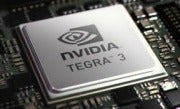 HTC pulled a similar trick with the One X.
The global version runs on an NVidia Tegra 3 processor, while the U.S.
phone uses a dual-core Qualcomm Snapdragon S4 processor. NVidia’s
quad-core processor was not yet compatible with AT&T’s LTE network
at the time of the One X’s manufacture. In our benchmarks, however, the
U.S. version of the One X did quite well despite having fewer cores.
HTC pulled a similar trick with the One X.
The global version runs on an NVidia Tegra 3 processor, while the U.S.
phone uses a dual-core Qualcomm Snapdragon S4 processor. NVidia’s
quad-core processor was not yet compatible with AT&T’s LTE network
at the time of the One X’s manufacture. In our benchmarks, however, the
U.S. version of the One X did quite well despite having fewer cores.When Will the S III Come to the United States?
According to our sources at Samsung, the 4G (HSPA+/LTE) versions of the S III will come to North America this summer. Samsung said it will optimize the phones for the LTE and HSPA+ networks. Timing, pricing, or carrier partners have not yet been announced.What is the Deal with the New Sharing Apps?
Samsung made a big deal about the ease of sharing from the S III, but from what I can tell, it looks like you can only share from your S III to another. Samsung has enhanced Android Beam, which allows large files to be transferred between phones quickly. Now called S Beam, you can share music, photos, and up to 1GB of video from your S III to your buddy’s S III.To help you understand, here's how Android Beam works on the Galaxy Nexus.
Samsung also enhanced its DLNA service for sharing content from your phone to your TV. AllShare Cast lets you wirelessly connect your Galaxy S III to your TV, tablet, or PC and share files over WiFi. However, you’ll have to buy the separate All Cast Hub accessory in order to use this feature (see the Accessories question below)
What is an HD Super AMOLED display?
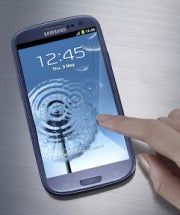 The
3.4-inch-thick S III has a 4.8-inch HD Super AMOLED display with a
1280-pixel by 720-pixel resolution. This is the same display technology
we saw on the Galaxy Nexus. The Galaxy S II had Super AMOLED Plus, which
is actually based on a PenTile pixel structure in which pixels share
subpixels.
The
3.4-inch-thick S III has a 4.8-inch HD Super AMOLED display with a
1280-pixel by 720-pixel resolution. This is the same display technology
we saw on the Galaxy Nexus. The Galaxy S II had Super AMOLED Plus, which
is actually based on a PenTile pixel structure in which pixels share
subpixels.The Galaxy S II phones, on the other hand, have full RGB displays in which the pixels have their own subpixels. This means that HD Super AMOLED displays have lower overall subpixel density, which could translate to reduced sharpness and degraded color accuracy.
When we compared the Galaxy Nexus to the Galaxy S II, however, we didn’t notice a huge difference in display quality. The only quality different we detected was color accuracy, especially with whites (they appeared to have a yellowish tint). I have yet to see the Galaxy SIII up close and personal, so I’m not sure if it suffers from this same issue
One cool thing is that despite the Galaxy S III having a larger display than its predecessor (4.8 inches versus 4.3/4.5 inches), it isn’t much bigger. There’s very little bezel around the phone as the display takes full advantage of the hardware real estate.
Will Battery Life Really Improve?
Battery life is the bane of every tech user. Samsung claims that it won’t be an issue with the S III as it has a larger 2100mAh battery. For comparison, the Galaxy S II has a 1560mAh battery, while the Galaxy Nexus has a 1750mAh battery. The granddaddy of phones with long battery life, the Droid Razr Maxx, has a 3300mAH battery.I fear that Samsung’s all-seeing front-facing camera might put a strain on the battery life, however. Also, phone manufacturers still haven’t worked out all the kinks with battery conservation on LTE networks. Battery life will depend on what sort of processor Samsung is packing into its S III phones for the United States and, as we’ve learned, this is still very much up in the air.
Is the Camera Any Good?
The Samsung Galaxy phones have always performed quite well in our PCWorld Test Center camera subjective tests. While I haven’t personally gotten my hands on the Galaxy S III’s 8-megapixel camera, I can tell you a little bit about its new features.According to Samsung, the Galaxy S III will have zero shutter lag. The company also claims that the camera will start in “less than one second.” The S III will also have a burst-shot mode, a feature we saw on HTC’s One phones.
The S III camera also will have a feature called “Best Photo,” which will automatically select your best photos out of a series of eight photos taken in succession. But do you really want your phone to be your photo assistant?
What About Accessories?
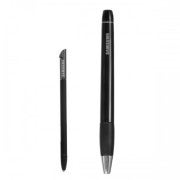 Samsung Galaxy Note S PenSamsung announced a slew of accessories, including a C Pen stylus (which seems pretty similar to the S Pen on the Galaxy Note),
an AllShare Cast Hub for wireless streaming, a docking station for your
desk, a wireless charger, a car kit, and an HDMI adapter.
Samsung Galaxy Note S PenSamsung announced a slew of accessories, including a C Pen stylus (which seems pretty similar to the S Pen on the Galaxy Note),
an AllShare Cast Hub for wireless streaming, a docking station for your
desk, a wireless charger, a car kit, and an HDMI adapter.Samsung also announced the S Pebble “music companion” MP3 player. Why does this accessory look so familiar? Oh yes, in 2009, I reviewed the Samsung Pebble MP3 player which looks strikingly similar to the S Pebble.
Is the Galaxy Nexus Outdated Now?
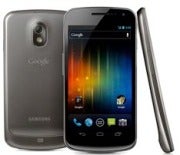 Samsung Galaxy NexusNo,
relax. It might not have as many cores as the S III, and the display
might be a little smaller, but don’t feel bad if you just walked out of
the store with a brand new Galaxy Nexus. Your Galaxy Nexus is still an
excellent, current phone and offers something the Galaxy S III does not:
A pure, untouched Android experience.
Samsung Galaxy NexusNo,
relax. It might not have as many cores as the S III, and the display
might be a little smaller, but don’t feel bad if you just walked out of
the store with a brand new Galaxy Nexus. Your Galaxy Nexus is still an
excellent, current phone and offers something the Galaxy S III does not:
A pure, untouched Android experience.Have more questions? Sound off in the comments and I’ll try my best to answer them for you.
Samsung Galaxy S III vs. HTC One X vs. iPhone 4S
Now that we finally know the details, find out how the Galaxy S III measures up to the HTC One X and iPhone 4S.

The Galaxy S III packs some power under its hood.
(Credit:
Luke Westaway/CNET UK)
Running Samsung's own 1.4GHz quad-core Exynos processor, Android Ice Cream Sandwich, 1GB of RAM, plus internal storage ranging from 16GB up to 64GB, the Galaxy S III is certainly a mobile force to be reckoned with. In fact, the phone's components including a powerful 8MP main camera offers many of the same standout imaging features found in the HTC One X such as burst mode and nimble shot-to-shot times. Its four computing cores also threaten to leave the iPhone 4S and dual-core HTC One X in the dust.
Samsung's latest creation also boasts a host of slick voice and face recognition abilities that may beat the iPhone 4S at its own personal assistant game. See how the chips fall in this side-by-side comparison of all three devices. Also be sure to read Aloysius Low's detailed hands-on with the Samsung Galaxy S III.
| Samsung Galaxy S III (Unlocked) | HTC One X (AT&T) | Apple iPhone 4S | |
|---|---|---|---|
| Operating system | Android Ice Cream Sandwich | Android Ice Cream Sandwich | iOS 5 |
| Dimensions | 5.4 inches tall by 2.8 inches wide by 0.34 inch thick; 4.7 ounces | 5.2 inches tall by 2.6 inches wide by 0.3 inch thick; 4.6 ounces | 4.5 inches tall by 2.3 inches wide by 0.4 inch thick; 4.9 ounces |
| Display | 4.8-inch, 1280x720-pixel HD Super AMOLED touch screen | 4.7-inch, 1280x720-pixel Super LCD touch screen | 3.5-inch, 960x640-pixel Retina Display touch screen |
| Camera | 8-megapixel camera with LED flash, autofocus, 1080p HD video recording, backside-illuminated sensor; front-facing 1.9-megapixel camera | 8-megapixel camera with LED flash, autofocus, 1080p HD video recording; front-facing 1.3 camera | 8-megapixel camera with LED flash, autofocus, 1080p HD video recording; front-facing VGA camera |
| Processor | Samsung Exnyos quad-core 1.4GHz processor* | Qualcomm Snapdragon S4 dual-core 1.5GHz processor** | Dual-core 1GHz A5 processor with dual-core graphics |
| Storage | 16GB, 32GB, 64GB | 16GB, 32GB | 16GB, 32GB, 64GB |
| Expansion slot | Yes | No | No |
| NFC support | Yes | Yes | No |
| Connectivity | Bluetooth 4.0; Wi-Fi (802.11a/b/g/n);GSM/HSPA+ 21 | Bluetooth 4.0; Wi-Fi (802.11a/b/g/n); WCDMA (UMTS)/GSM; LTE | Bluetooth 4.0; Wi-Fi (802.11b/g/n); GSM/HSPA+ 14.4; CDMA/EV-DO Rev. A |
| World phone | Yes | Yes | Yes (select models) |
| Battery size | 2,100 mAh,removable | 1,800 mAh, not removable | NA, not removable |
| Carriers | Unlocked | AT&T | AT&T, Sprint, Verizon |
| Pricing (on contract) | TBA | $199.99 | $199 for 16GB, $299 for 32GB, $399 for 64GB |
*Samsung hasn't announced the specs for the U.S. version of the Galaxy S III. Processor specs could change with that announcement.
**HTC's global version of the One X runs on an Nvidia Tegra 3 quad-core processor.
Samsung's Galaxy S III has ears and eyes just for you
The new Samsung Galaxy S III is intelligent enough to recognize your individual voice and face.
Samsung says its newest smartphone, the Galaxy S III, has the brains to discern the sound of your specific voice and face from others.Equipped with what the company calls Natural Interaction technology, the handset has a Smart Stay function that uses its front-facing camera to figure out if you're looking directly at it. In theory, the device will know not to, say, dim the screen when you need to view its display for extended periods. That should come in handy when reading e-books or lengthy online articles.
Samsung's Galaxy S III is plastic, but powerful (photos)

Of course it remains to be seen just how well Natural Interaction will work and if average mobile users will find the feature truly handy.
With Samsung's Galaxy S III, the experience matters
After
all the rumors and built-up expectations have come to pass, we wonder
if it was all worth it and how Samsung's newest phone might change
Android.The Samsung Galaxy S III: You'll come for the hardware and stay for the experience.
Though Android fans in the United States still have to guess about a release date, at least we know what Samsung has been working for the past few months. So was it all worth it? At first blush, I say the answer is a resounding yes.
If you haven't had the chance to watch the Unpacked press conference yet, I encourage you to do so. What you'll find is roughly an hour of what makes the Galaxy S III so special and how it might change Android. If this product unveiling is any indication, Samsung understands that the future of the operating system isn't just about specifications.
You can't beat the experience
It's the experience, rather, that ultimately will impress users the most. In an era of dual-core this and quad-core that, average users are hard-pressed to notice the difference in hardware performance. The specs are incredible, yes, but it's the way in which the phone works that will help it stand out.
Indeed, we're already seeing a taste of that with AT&T's One X. Though some users gripe that the One X lacks the quad-core chip of the global version, that hasn't stopped the speedy, powerful device from taking CNET's Editors' Choice Award.
It's the little things
Purists and early adopters might prefer a stripped-down, stock Android experience, but the general population will love the stuff that Samsung added here. Whether it's the handset staying awake while you're reading a book or Web site or the way it captures photos, the Galaxy S III has plenty of "wow" factor to go around. I see a number of things that have me wondering why today's phones aren't already handling or doing them.
For example, I can't count the number of times that I've been typing a text message only to fumble around quickly when I received a call out. It makes a lot of sense to be able to switch to calling mode by raising the handset to my ear as the Galaxy S III will allow. Granted, the Direct Call feature in the Galaxy S III might sound trivial to some, but this is the sort of thing that people show off in the beauty salon.
The same for snoozing the alarm clock, sharing video and content, or the "Pop up Play" multifunction for watching video. While none of these features alone would be enough to go buy a Galaxy S III, I suspect that, combined, they are the reason you would return to Samsung down the road.
Similarly, I'm reminded of the little things in Android 4.0 that I miss when using a 2.3 handset. Though Gingerbread isn't enough to completely dissuade me from using a device, I love the total package that Ice Cream Sandwich brings. So chalk up another point for the Galaxy S III.
A bit late, but worth the wait
So, yes, even after the delay from a Mobile World Congress announcement and months of rumors, I'd have to say that the Galaxy S III was worth the wait. The hardware specifications fell in line with the steady stream of gossip, even somewhat surpassing them. On paper, the handset is as good as anything else on the market, and should be for the foreseeable future.
With new rumors that Samsung and Google will once again collaborate on the next Nexus handset, I'm anxious to see what happens this fall. Why? The last two "Pure Google" smartphones closely mirrored the current edition of the Galaxy S series. What's more, coupling this level of hardware with a new version of Android is fantastic.
In the meanwhile, I'll be waiting to hear when U.S. consumers can get their hands on the Galaxy S III. And on that note, it appears that Samsung may have tipped its hand as to who might be offering the new flagship device. With seven carriers already on the horizon, I'd be surprised if your wireless provider does not support the Galaxy S III.
Smartphone comparison:
Hardware and OS
| Model | CPU | Storage capacity | RAM | OS | UI | Size | Weight | Display | Keyboard | Camera | Other | GPU |
|---|---|---|---|---|---|---|---|---|---|---|---|---|
| Acer DX900 | 533 MHz Samsung S3C6400 | 256 MB | 128 MB | Windows Mobile 6.1 | SPB Mobile Shell | 112 cc | 147 g | 2.8" 480 × 640 | Soft QWERTY | 3.15 MP AF and flash (rear); 0.31 MP (front) | accelerometer, aGPS, dual SIM, microSDHC | |
| Apple iPhone | 412 MHz ARM1176JZF-S | 4, 8 or 16 GB | 128 MB | iOS 1.0, upgradable to 3.1.3 | 81.4 cc | 135 g | 3.5" 320 × 480 | Soft QWERTY | 1.92 MP | accelerometer, multi-touch, proximity sensor | PowerVR MBX Lite 3D[9] | |
| Apple iPhone 3G | 412 MHz ARM1176JZF-S | 8 or 16 GB | 128 MB | iOS 2.0, upgradable to 4.2.1 | 88.2 cc | 133 g | 3.5" 320 × 480 | Soft QWERTY | 1.92 MP | accelerometer, aGPS, multi-touch, proximity and ambient light sensors, Wi-Fi 802.11 b/g Bluetooth 2.0 + EDR | PowerVR MBX Lite 3D[9] | |
| Apple iPhone 3GS | 600 MHz ARM Cortex-A8 | 8, 16 or 32 GB | 256 MB | iOS 3.0, upgradable to 5.1 | 88.2 cc | 135 g | 3.5" 320 × 480 | Soft QWERTY | 3 MP AF | 3-axis accelerometer, aGPS, multi-touch, proximity and ambient light sensors, digital compass, Wi-Fi b/g, Bluetooth 2.1+EDR | PowerVR SGX 535 | |
| Apple iPhone 4 | 800 MHz Apple A4 | 8, 16 or 32 GB | 512 MB | iOS 4.0, upgradable to 5.1 | 62.8 cc 115.2 × 58.6 × 9.3 mm |
137 g | 3.5" 640 × 960 Retina display, 326 ppi | Soft QWERTY | 5.0 MP AF with LED flash and geotagging, 1280 × 720 video at 30 frame/s (rear); 0.3 MP VGA (front) | 3-axis accelerometer, 3-axis gyroscope, aGPS, multi-touch, proximity and ambient light sensors, digital compass, Wi-Fi b/g/n, Bluetooth 2.1+EDR | PowerVR SGX 535 | |
| Apple iPhone 4S | 800 MHz dual-core Apple A5 | 16, 32, or 64 GB | 512 MB | iOS 5.0, upgradable to 5.1 | 62.8 cc 115.2 × 58.6 × 9.3mm |
140 g | 3.5" 640 × 960 Retina display, 326 ppi | Soft QWERTY | 8.0 MP AF with LED flash, face detection, video stabilization, and geotagging, 1920 × 1080 video at 30 frame/s (rear); 0.3 MP VGA (front) | 3-axis accelerometer, 3-axis gyroscope, aGPS, multi-touch, proximity and ambient light sensors, digital compass, Wi-Fi b/g/n, Bluetooth 4 w/A2DP, world phone (combined GSM/UMTS and CDMA) | PowerVR SGX543MP2 | |
| Asus P565 | 800 MHz Marvell PXA930 | 256 MB | 128 MB | Windows Mobile 6.1 | Asus Glide | 99 cc | 120 g | 2.8" 480 × 640 | Soft QWERTY | 3.15 MP AF (rear); 0.31 MP (front) | aGPS, microSDHC | |
| Asus P835 (aka Asus Galaxy 7) |
528 MHz Qualcomm 7201A | 4.25 GB | 288 MB | Windows Mobile 6.1 | Asus Glide | 93.6 cc 115 × 59 × 13.8mm |
148 g | 3.5" 480 × 800 | Soft QWERTY | 4.92 MP AF (rear); 0.31 MP (front) | accelerometer, aGPS, microSDHC | |
| E-TEN Glofiish V900 | 533 MHz Samsung S3C6400 | 256 MB | 128 MB | Windows Mobile 6.1 | 112 cc | 147 g | 2.8" 480 × 640 | Soft QWERTY | 3.15 MP AF and flash (rear); 0.31 MP (front) | accelerometer, aGPS, FM radio, microSDHC | ||
| E-TEN Glofiish X650 | 500 MHz Samsung SC32442 | 256 MB | 64 MB | Windows Mobile 6 | 91 cc | 136 g | 2.8" 480 × 640 | Soft QWERTY | 1.92 MP AF and flash | aGPS, FM radio, microSDHC | ||
| E-TEN Glofiish X900 | 533 MHz Samsung S3C6400 | 256 MB | 128 MB | Windows Mobile 6.1 | SPB Mobile Shell | 116 cc | 146 g | 2.8" 480 × 640 | Soft QWERTY | 3.15 MP AF and flash (rear); 0.31 MP (front) | accelerometer, aGPS, FM radio, microSDHC | |
| Gigabyte GSmart MS820 | 520 MHz Intel XScale PXA270 | 256 MB | 128 MB | Windows Mobile 6.1 | Gigabyte Smart Touch | 104 cc | 148 g | 2.8" 480 × 640 | Soft QWERTY | 4.92 MP AF with flash (rear); 0.31 MP (front) | accelerometer, aGPS, FM radio, microSDHC | |
| HP iPAQ Data Messenger | 528 MHz Qualcomm 7201A | 256 MB | 128 MB | Windows Mobile 6.1 | 113.1 cc 114 × 57 × 17.4mm |
160 g | 2.8" 240 × 320 | Slide-out QWERTY | 3.1 MP AF with flash | aGPS, microSDHC | ||
| HP iPAQ Voice Messenger | 528 MHz Qualcomm 7201A | 256 MB | 128 MB | Windows Mobile 6.1 | 77.5 cc 114 × 50 × 13.6 mm |
107 g | 2.4" 240 × 320 | 20-key multitap | 3.1 MP AF with flash | aGPS, microSDHC | ||
| HP Pre 3 (aka Palm Pre 3) | 1.4 GHz Qualcomm MSM 8X55 | 8 or 16 GB | 512 MB | webOS 2.2 | 113.7 cc 111 × 64 × 16 mm |
156 g | 3.58" 480 × 800 | Slide-out QWERTY | 5 MP AF with LED flash and geotagging, 720p HD video (rear), 0.3 MP VGA (front) | GPS, aGPS, ambient light and proximity sensors, accelerometer, Wi-Fi a/b/g/n, compass, Bluetooth 2.1+EDR, Dual microphone | ||
| HTC 7 Mozart | 1 GHz Qualcomm QSD 8250 Scorpion (Snapdragon) | 8.5 GB | 576 MB | Windows Phone 7 | 85.2 cc 119 × 60.2 × 11.9 mm |
130 g | 3.7" 480 × 800 | Soft QWERTY | 8 MP AF CMOS sensor with xenon flash, 720p HD video recording | 3-axis accelerometer, GPS, aGPS, multi-touch, proximity and ambient light sensors, digital compass, FM radio, Wi-Fi b/g/n, Bluetooth 2.1+EDR, Dolby mobile sound | Adreno 200 | |
| HTC 7 Pro | 1 GHz Qualcomm QSD 8650 Scorpion (Snapdragon) | 8.5 GB | 576 MB | Windows Phone 7 | 107.4 cc 117.5 × 59 × 15.5 mm |
185 g | 3.6" 480 × 800 | Slide-out QWERTY | 5 MP AF with flash, 720p HD video recording | 3-axis accelerometer, GPS, aGPS, multi-touch, proximity and ambient light sensors, digital compass, FM radio, Wi-Fi b/g/n, Bluetooth 2.1+EDR, kickstand, slide-out speakers | ||
| HTC 7 Surround | 1 GHz Qualcomm QSD 8250 Scorpion (Snapdragon) | 16.5 GB | 448 MB | Windows Phone 7 | 95.4 cc 119.7 × 61.5 × 13 mm |
165 g | 3.8" 480 × 800 | Soft QWERTY | 5 MP AF with flash, 720p HD video recording | 3-axis accelerometer, GPS, aGPS, multi-touch, proximity and ambient light sensors, digital compass, FM radio, Wi-Fi b/g/n, Bluetooth 2.1+EDR, kickstand, slide-out speakers | ||
| HTC 7 Trophy | 1 GHz Qualcomm QSD 8250 Scorpion (Snapdragon) | 8.5 GB | 576 MB | Windows Phone 7 | 92.8 cc 118.5 × 65.5 × 12 mm |
140 g | 3.8" 480 × 800 | Soft QWERTY | 5 MP AF with flash, 720p HD video recording | 3-axis accelerometer, GPS, aGPS, multi-touch, proximity and ambient light sensors, digital compass, FM radio, Wi-Fi b/g/n, Bluetooth 2.1+EDR, dual microphone, Dolby mobile sound | Adreno 200 | |
| HTC Aria | 600 MHz Qualcomm MSM7227 | 512 MB | 384 MB | Android 2.1, upgradable to 2.2 | HTC Sense | 70 cc 103.8 × 57.7 × 11.7 mm |
115 g | 3.2" 320 × 480 | Soft QWERTY | 5 MP with AF and geotagging | 3-axis accelerometer, GPS, multi-touch, proximity and light sensors, microSD, digital compass, Wi-Fi b/g, Bluetooth 2.1+EDR | |
| HTC Blue Angel (aka Audiovox Harrier, HTC Harrier, or XDA IIs) |
400 MHz Intel XScale PXA263 | 64 or 96 MB | 128 MB | Windows Mobile 2003 Second Edition | 81.4 cc | 208 g | 3.5" 240 × 320 | Slide-down QWERTY | 0.31 MP with flash | SD | ||
| HTC Desire | 1 GHz Qualcomm QSD 8250 Snapdragon | 512 MB | 576 MB | Android 2.1, upgradable to 2.3 | HTC Sense | 85 cc 119 × 60 × 11.9 mm |
135 g | 3.7" 480 × 800 AMOLED or SLCD | Soft QWERTY | 5 MP AF with LED flash, geotagging, 720p HD recording (2.2 update needed) | microSD, accelerometer, GPS, A-GPS, multi-touch, proximity sensor, FM radio, compass, Wi-Fi b/g, Bluetooth 2.1+EDR, | Adreno 200 |
| HTC Desire HD | 1 GHz Qualcomm MSM 8255 Scorpion (Snapdragon) | 1.5 GB | 768 MB | Android 2.2 | HTC Sense | 98.7 cc 123 × 68 × 11.8 mm |
164 g | 4.3" 480 × 800 SLCD | Soft QWERTY | 8 MP AF with dual LED flash, geotagging, 720p HD recording | microSD, accelerometer, GPS, A-GPS, multi-touch, proximity sensor, FM radio, compass, Wi-Fi b/g/n, Bluetooth 2.1+EDR, DLNA support | Adreno 205 |
| HTC Desire S | 1 GHz Qualcomm MSM8255 Snapdragon | 1.1 GB | 768 MB | Android 2.3 | HTC Sense | 79.8 cc 115 × 59.8 × 11.6 mm |
130 g | 3.7" 480 × 800 SLCD | Soft QWERTY | 5 MP AF with LED flash, geotagging, 720p HD recording | microSD, 3-axis accelerometer, GPS, A-GPS, multi-touch, proximity sensor, FM radio, compass, Wi-Fi b/g, Bluetooth 2.1+EDR, DLNA, dual microphone | Adreno 205 |
| HTC Desire Z (aka T-mobile HTC G2) |
800 MHz Qualcomm MSM 7230 | 1.5 GB | 512 MB | Android 2.2 | HTC Sense | 101.8 cc 119 × 60.4 × 14.2 mm |
180 g | 3.7" 800 × 480 SLCD | Slide-out QWERTY | 5 MP AF with LED flash, geotagging, 720p HD recording | microSD, accelerometer, GPS, A-GPS, multi-touch, proximity sensor, FM radio, compass, Wi-Fi b/g/n, Bluetooth 2.1+EDR, DLNA support | Adreno 205 |
| HTC Dream (aka T-Mobile G1) |
528 MHz Qualcomm MSM7201A | 256 MB | 192 MB | Android 1.6 | 112.1 cc | 158 g | 3.2" 320 × 480 | Slide-out QWERTY keyboard | 3.2 MP AF | accelerometer, aGPS, digital compass, microSDHC | ||
| HTC EVO 3D | 1.2 GHz dual-core Qualcomm MSM 8660 Snapdragon | 4 GB eMMC | 1 GB | Android 2.3 Gingerbread | HTC Sense 3.0 | 100.6 cc 127 × 66 × 12 mm |
170 g | 4.3" 540×960 qHD at 256 ppi, Autostereoscopic 3D-capable (glasses-free) SLCD | Soft QWERTY | Dual 5 MP AF rear back-illuminated sensors with dual LED flash; 1.3 MP front | Multi-touch touchscreen display, 3-axis accelerometer, Digital compass, proximity sensor, Ambient light sensor, Wi-Fi Hotspot, FM radio, GPS navigation, Micro-SDHC 8 GB (32 GB max) | Adreno 220 |
| HTC HD Mini | 600 MHz Qualcomm | 512 MB | 384 MB | Windows Mobile 6.5 Professional | HTC Sense | 70 cc 103.8 × 57.7 × 11.7 mm |
110 g | 3.2" 320 × 480 | Soft QWERTY | 5 MP with AF | accelerometer, GPS, multi-touch, proximity and ambient light sensors, FM radio, Wi-Fi b/g, Bluetooth 2.1+EDR | |
| HTC HD7 | 1 GHz Qualcomm QSD 8250 Scorpion (Snapdragon) | 8.5 or 16.5 GB (Europe or Asia respectively) | 576 MB | Windows Phone 7 | 85 cc 122 × 68 × 11.2 mm |
162 g | 4.3" 480 × 800 | Soft QWERTY | 5 MP AF CMOS sensor with dual LED flash, 720p HD video recording | 3-axis accelerometer, GPS, aGPS, multi-touch, proximity and ambient light sensors, compass, FM radio, Wi-Fi b/g/n, Bluetooth 2.1+EDR, magnetometer, Dolby mobile and SRS surround sound, kickstand | Adreno 200 | |
| HTC Hero | 528 MHz Qualcomm MSM7200A ARM11 | 512 MB | 288 MB | Android 1.5, upgradable to 2.1 | HTC Sense | 90.3 cc 112 × 56.2 × 14.35 mm |
135 g | 3.2" 320 × 480 | Soft QWERTY | 5 MP with AF | 3-axis accelerometer, aGPS, multi-touch, ambient light sensors, microSD, FM radio, compass, Wi-Fi b/g, Bluetooth 2.0+EDR | |
| HTC Incredible S | 1 GHz Qualcomm MSM 8255 Scorpion (Snapdragon) | 1.1 GB | 768 MB | Android 2.2, upgradable to 2.3 | HTC Sense | 98.7 cc 120 × 64 × 11.7 mm |
135g | 4.0" 480 × 800 SLCD | Soft QWERTY | 8 MP AF with dual LED flash, geotagging, 720p HD recording | microSD, accelerometer, GPS, A-GPS, multi-touch, proximity sensor, FM radio, compass, Wi-Fi b/g/n, Bluetooth 2.1+EDR, DLNA support | Adreno 205 |
| HTC Legend | 600 MHz Qualcomm MSM7227 | 512 MB | 384 MB | Android 2.1, upgradable to 2.2 | HTC Sense | 72.5 cc 112 × 56.3 × 11.5 mm |
126 g | 3.2" 320 × 480 AMOLED | Soft QWERTY | 5 MP AF with flash, geotagging | 3-axis accelerometer, GPS, multi-touch, proximity and ambient light sensors, microSD, FM radio, compass, Wi-Fi b/g, Bluetooth 2.1+EDR | |
| HTC Magic | 528 MHz Qualcomm MSM7200A ARM11 | 512 MB | 288 MB | Android 1.6, upgradable to 2.2.1 | 85.7 cc 113 × 55.6 × 13.7 mm |
116 g | 3.2" 320 × 480 | Soft QWERTY | 3.2 MP with AF | 3-axis accelerometer, multi-touch, aGPS, microSD, FM radio, digital compass, Wi-Fi b/g, Bluetooth 2.0+EDR | ||
| HTC Max 4G (aka HTC Quartz) |
528 MHz Qualcomm ESM7206A | 8.1 GB | 288 MB | Windows Mobile 6.1 | HTC TouchFlo3D | 100 cc | 151 g | 3.8" 480 × 800 | Soft QWERTY | 3.15 MP AF, 0.31 MP | accelerometer, aGPS, FM radio, microSDHC, WiMAX | |
| HTC Nexus One (aka Google Nexus One) |
1 GHz Qualcomm QSD 8250 Snapdragon | 512 MB | 512 MB | Android 2.1, upgradable to 2.3.4 | 81.8 cc 119 × 59.8 × 11.5 mm |
130 g | 3.7" 480 × 800 | Soft QWERTY | 5.0 MP AF with LED flash, geotagging, 720 × 480 video at 20 frame/s or higher | aGPS, microSDHC, proximity and ambient light sensors, 3-axis accelerometer, digital compass, trackball, Wi-Fi b/g/n, Bluetooth 2.1+EDR | Adreno 200 | |
| HTC Sensation | 1.2 GHz dual-core Qualcomm MSM 8260 Snapdragon | 1 GB | 768 MB | Android 2.3 | HTC Sense 3.0 | 93.2 cc 126.1 × 65.4 × 11.3 mm |
148 g | 4.3" 540×960 qHD SLCD | Soft QWERTY | 8 MP AF rear with dual LED flash, geotagging, 1080p video @ 30frame/s; 0.3 MP VGA front | microSD, accelerometer, gyro, GPS, aGPS, multi-touch, proximity sensor, compass, Wi-Fi b/g/n, Bluetooth 3.0, DLNA, MHL, virtual surround sound | Adreno 220 |
| HTC Smart | 300 MHz | 256 MB | 256 MB | Brew Mobile Platform | 73.2 cc 104 × 55 × 12.8 mm |
108 g | 2.8" 240 × 320 | Soft QWERTY | 3 MP with flashlight | microSD, Bluetooth 2.0+EDR | ||
| HTC Tattoo (aka HTC Click) |
528 MHz Qualcomm MSM7225 | 512 MB | 256 MB | Android 1.6 | 81.9 cc 106 × 55.2 × 14 mm |
113 g | 2.8" 240 × 320 | Soft QWERTY | 3.2 MP Fixed focus | aGPS, microSDHC, 3-axis accelerometer, digital compass, FM radio, Wi-Fi b/g, Bluetooth 2.0+EDR&A2DP | Adreno 205 | |
| HTC Touch Diamond (aka HTC Diamond or HTC Victor) |
528 MHz Qualcomm MSM7201A or 400 MHz Qualcomm MSM7500 | 4 GB | 128, 192, or 256 MB | Windows Mobile 6.1 | HTC TouchFlo3D | 59 cc | 110 g | 2.8" 480 × 640 | Soft QWERTY | 3.15 MP AF (rear); 0.31 MP (front) | accelerometer, aGPS, FM radio w/ RDS, Bluetooth 2.0 +EDR, Wi-Fi b/g, ambient light sensor | |
| HTC Touch Diamond2 (aka HTC Topaz) |
528 MHz Qualcomm MSM7200A | 512 MB | 288 MB | Windows Mobile 6.1, upgradable to 6.5 | HTC TouchFlo3D | 78 cc | 118 g | 3.2" 480 × 800 | Soft QWERTY | 4.92 MP AF, 0.31 MP | accelerometer, aGPS, FM radio, microSDHC | Adreno 130 |
| HTC Touch HD (aka HTC Blackstone) |
528 MHz Qualcomm MSM7201A | 512 MB | 288 MB | Windows Mobile 6.1 | HTC TouchFlo3D | 87 cc | 146 g | 3.8" 480 × 800 | Soft QWERTY | 4.92 MP AF, 0.31 MP | accelerometer, aGPS, FM radio, microSDHC | |
| HTC Touch Pro (aka HTC Fuze, HTC Raphael) |
528 MHz Qualcomm MSM7201A | 512 MB | 160 or 288 MB | Windows Mobile 6.1 | HTC TouchFlo3D | 94 cc | 165 g | 2.8" 480 × 640 | Slide-out QWERTY | 3.15 MP AF with flash, 0.31 MP | accelerometer, aGPS, FM radio, microSDHC | |
| HTC Touch Pro (aka Sprint Touch Pro, Raph800, HTC Raphael) |
528 MHz Qualcomm MSM7501A (ARM1136EJ-S) | 512 MB | 288 MB | Windows Mobile 6.1 | HTC TouchFlo3D | 93.9 cc | 150 g | 2.8" 480 × 640 | Slide-out QWERTY-type (57 keys), with 4-way directional pad | 3.15 MP AF with LED flash | accelerometer, aGPS, microSDHC, mini-USB, Bluetooth 2.0 +EDR, Wi-Fi b+g | |
| HTC Touch Pro2 (aka HTC Rhodium)[17] |
528 MHz Qualcomm MSM7200A | 512 MB | 288 MB | Windows Mobile 6.1, upgradable to 6.5 | HTC TouchFlo3D | 118 cc | 175 g | 3.6" 480 × 800 | Slide-out QWERTY | 3.15 MP AF with flash, 0.31 MP | accelerometer, aGPS, FM radio, microSDHC | Adreno 130 |
| HTC TyTN (aka AT&T 8525, HTC Hermes) |
400 MHz Samsung SC32442 | 128 MB | 64 MB | Windows Mobile 6 | 143 cc | 176 g | 2.8" 240 × 320 | Slide-out QWERTY | 1.92 MP AF with flash (rear), 0.31 MP (front) | microSD | ||
| HTC TyTN II (aka AT&T Tilt or HTC Kaiser) |
400 MHz Qualcomm MSM7200 | 256 MB | 128 MB | Windows Mobile 6.1 | HTC Home | 126 cc | 190 g | 2.8" 240 × 320 | Slide-out QWERTY | 3.15 MP AF, 0.31 MP | aGPS, microSDHC | |
| HTC Wildfire | 528 MHz Qualcomm MSM7225 | 512 MB | 384 MB | Android 2.1, upgradable to 2.2 | HTC Sense | 78.6 cc 106.8 × 60.4 × 12.2 mm |
118 g | 3.2" 240 × 320 | Soft QWERTY | 5 MP AF with LED flash, geotagging | microSD, accelerometer, GPS, A-GPS, multi-touch, proximity sensor, FM radio, compass, Wi-Fi b/g, Bluetooth 2.1+EDR | |
| HTC Wildfire S | 600 MHz Qualcomm MSM7227 | 512 MB | 512 MB | Android 2.3.3, upgradable to 2.3.5 | HTC Sense 2.1 | 74.6 cc 101.3 × 59.4 × 12.4 mm |
105 g | 3.2" 320 × 480 | Soft QWERTY | 5 MP AF with LED flash, geotagging | microSD, accelerometer, GPS, A-GPS, multi-touch, proximity sensor, FM radio, compass, Wi-Fi b/g/n, Bluetooth 3.0 | Adreno 200 |
| HTC Wizard (aka Cingular 8125, HTC Prodigy, or T-Mobile MDA US) |
195 MHz Texas Instruments OMAP 850 | 128 MB | 64 MB | Windows Mobile 5 | 148 cc | 168 g | 2.8" 240 × 320 | Slide-out QWERTY | 1.31 MP with flash | miniSD | ||
| LG CT810 Incite | 528 MHz Qualcomm MSM7201A | 256 MB | 128 MB | Windows Mobile 6.1 | LG | 84 cc | 120 g | 3" 240 × 400 | Soft QWERTY | 3.15 MP AF, 0.31 MP | accelerometer, aGPS, FM radio, microSDHC | |
| LG Optimus 2X | 1 GHz Nvidia Tegra 2 dual-core ARM Cortex-A9 | 8 GB | 512 MB | Android 2.2, upgradable to 2.3 | LG | 85.3 cc 123.9 × 63.2 × 10.9mm |
139 g | 4" 480 × 800 | Soft QWERTY | 8 MP, 3264×2448 pixels rear AF with LED flash, 1080p video @ 24frame/s, 720p @ 30 frame/s; 1.3 MP front | accelerometer, aGPS, gyroscope, multi-touch, proximity and ambient light sensors, FM radio, digital compass Wi-Fi b/g/n, Bluetooth 2.1+EDR, HSPA+, magnetometer, DLNA, HDMI port | GeForce ULP |
| LG Optimus 7 | 1 GHz Qualcomm QSD 8650 Scorpion (Snapdragon) | 16.5 GB | 512 MB | Windows Phone 7 | 85.9 cc 125 × 59.8 × 11.5 mm |
157 g | 4" 480 × 800 | Soft QWERTY | 5 MP AF with LED flash and geotagging, 720p HD video recording | 3-axis accelerometer, GPS, aGPS, multi-touch, Proximity and ambient light sensors, digital compass, FM Radio, Wi-Fi b/g/n, Bluetooth 2.1+EDR | Adreno 200 | |
| LG Optimus One P500 | 600 MHz | 150 MB | 512 MB | Android 2.2, upgradable to 2.3 | LG | 89.1 cc 113.5 × 59 × 13.3 mm |
129 g | 3.2" 320 × 480 | Soft QWERTY | 3.0 MP AF | accelerometer, aGPS, FM radio, microSDHC, DivX/Xvid | |
| Meizu M9 | 1 GHz Samsung Hummingbird S5PC110 | 8,192 8 or 16 GB | 512 MB | Android 2.2 UIQ | 110 cc | 123 g | 3.5" 960 × 640 | Soft QWERTY | 5.0 MP AF | microSD | ||
| Motorola Droid Bionic | 1 GHz Texas Instruments OMAP4430 dual-core ARM Cortex-A9 SoC | 16 GB | 1 GB | Android 2.3.4 | Motoblur | 93 cc 127.5 × 66.9 × 10.9mm |
158 g | 4.3" 540×960 qHD LCD | Soft QWERTY | 8.0 MP AF with LED flash, 1080p video at 30 frame/s | accelerometer, aGPS, multi-touch, proximity and ambient light sensors, Wi-Fi 2.4 & 5 GHz 802.11 b/g/n, Bluetooth 2.1+EDR, HSPA+ | PowerVR SGX 540 |
| Motorola Atrix 4G | 1 GHz Nvidia Tegra 2 dual-core ARM Cortex-A9 | 16 GB | 1 GB | Android 2.2, upgradable to 2.3 | Motoblur | 81.9 cc 117.75 × 63.5 × 10.95mm |
135 g | 4" 540×960 qHD LCD | Soft QWERTY | 5.0 MP AF rear with LED flash, 720p video at 30 frame/s; 0.3 MP VGA front | accelerometer, aGPS, multi-touch, proximity and ambient light sensors, Wi-Fi 2.4 & 5 GHz 802.11 b/g/n, Bluetooth 2.1+EDR, HSPA+, magnetometer, fingerprint reader | GeForce ULP |
| Motorola Droid/ Motorola Milestone (GSM/UMTS version) | 550 MHz ARM Cortex-A8 | 512 MB | 256 MB | Android 2.0, upgradable to 2.2 | 91 cc | 169 g | 3.7" 854 × 480 | Slide-out QWERTY keyboard | 5.0 megapixel with AF and flash | accelerometer, aGPS, multi-touch, proximity sensor, digital compass, microSDHC | PowerVR SGX 530 | |
| Motorola Droid RAZR | 1.2 GHz TI OMAP4430 | 16 GB | 1 GB | Android 2.3.5 Gingerbread |
94 cc 130.7 × 68.9 × 7.1 mm |
127 g | 4.3" 540 × 960 | Touchscreen | 8.0 MP AF with flash, 720p HD video recording / 1.3MP front-facing camera | 3-axis accelerometer, GPS, aGPS, multi-touch, proximity and ambient light sensors, digital compass, FM radio, Wi-Fi b/g/n, Bluetooth 2.1+EDR | PowerVR SGX540 | |
| Motorola MOTO Q11 | 312 MHz Intel XScale PXA270 | 128 MB | 64 MB | Windows Mobile 6.1 | 88 cc | 115 g | 2.4" 240 × 320 | Full QWERTY | 3.15 MP with flash | aGPS, microSDHC | ||
| Motorola RIZR Z10 | 330 MHz Texas Instruments OMAP2420 | 128 MB | 64 MB | Symbian 9.2 UIQ 3.2 | 91 cc | 115 g | 2.2" 240 × 320 | Numeric with T9 | 3.15 MP AF with flash, 0.31 MP | microSDHC | ||
| Nokia 5800 XpressMusic | 434 MHz Freescale MXC300-30 | 256 MB | 128 MB | Symbian 9.4 S60 5th Edition | 83 cc 111 × 51.7 × 15.5 mm |
109 g | 3.2" 360 × 640 | Touchscreen | 3.15 MP, AF and dual LED flash | aGPS, microSDHC | ||
| Nokia C5-00 | 600 MHz ARM11 | 256 MB | 128 MB | Symbian 9.3 | 56.2 cc 112 × 46 × 12.3 mm |
89.3 g | 2.2" 320 × 240 | keypad | 3.2 MP | GPS, microSDHC | ||
| Nokia E6-00 | 680 MHz ARM11 processor (ARM v6 architecture) | 8 GB onboard, max 32 GB micro SD card | 256 MB | Symbian^3 | 66 cc 115.5mm × 59mm × 10.5 mm |
133 g | 2.46" 640 × 480 (Retina display, 325 ppi) | Soft QWERTY and Full QWERTY | 8 MP f/2.4 EDOF with dial LED flash, 720p recording; 0.3 MP VGA front | penta band 3G, 2 microphones, aGPS, microSDHC, proximity sensor, accelerometer, magnetometer, ambient light | Broadcom BCM2727 VideoCore III | |
| Nokia E63[36] | 369 MHz Freescale MXC300-30 | 256 MB | 128 MB | Symbian 9.2 S60 3rd Edition Feature Pack 1 | 87 cc 113 × 59 × 13 mm |
126 g | 2.4" 320 × 240 | Full QWERTY | 2 MP | microSDHC | ||
| Nokia E71 | 369 MHz ARM11 Freescale MXC300-30 processor | 256 MB | 128 MB | Symbian 9.2 S60 3rd Edition Feature Pack 1 | 66 cc 114 × 57 × 10 mm |
127 g | 2.4" 320 × 240 | Full QWERTY | 3.2 MP | aGPS, microSDHC | ||
| Nokia E72 | 600 MHz ARM11 processor | 256 MB | 128 MB | Symbian 9.3 S60 3rd Edition Feature Pack 2 | 65 cc 114 × 58.3 × 10.1 mm |
128 g | 2.4" 320 × 240 | Full QWERTY | 5.0 MP, AF, LED flash | aGPS, accelerometer, magnetometer, microSDHC | ||
| Nokia E90[39] | 330 MHz Texas Instruments OMAP2420 | 256 MB | 128 MB | Symbian 9.2 S60 3rd Edition Feature Pack 1 | 140 cc 132 × 57 × 20 mm |
210 g | External: 2" 240 × 320 Internal: 4" 800 × 352 |
Full QWERTY | 3.2 MP | aGPS, microSDHC | ||
| Nokia Lumia 710 | 1.4 GHz Qualcomm MSM8255 Scorpion (Snapdragon) | 8 GB | 512 MB | Windows Phone 7.5 | 81.1 cc 119 × 62.4 × 12.5 mm |
125.5 g | 3.7" 480 × 800 | Soft QWERTY | 5 MP AF with LED flash, geotagging, face detection, 720p HD @ 30fps video recording | accelerometer, GPS, aGPS, multi-touch, Proximity sensor, compass, FM Radio w/ RDS, Wi-Fi b/g/n, Bluetooth 2.1+EDR, active noise cancellation | Adreno 205 | |
| Nokia Lumia 800 | 1.4 GHz Qualcomm MSM8255 Scorpion (Snapdragon) | 16 GB | 512 MB | Windows Phone 7.5 | 76.1 cc 116.5 × 61.2 × 12.1 mm |
142 g | 3.7" 480 × 800 AMOLED[40] | Soft QWERTY | 8 MP AF with Carl Zeiss optics, dual LED flash, geotagging, 720p HD @ 30fps video recording | accelerometer, GPS, aGPS, multi-touch, Proximity sensor, compass, FM Radio w/ RDS, Wi-Fi b/g/n, Bluetooth 2.1+EDR, active noise cancellation | Adreno 205 | |
| Nokia Lumia 900 | 1.4 GHz Qualcomm APQ8055 (Snapdragon S2) | 16 GB | 512 MB | Windows Phone 7.5 | 90 cc 127.8 × 68.5 × 11.5 mm |
160 g | 4.3" 480 × 800 AMOLED[40] | Soft QWERTY | 8 MP AF rear with Carl Zeiss optics, dual LED flash, geotagging, 720p HD @ 30fps video recording; 1,3 MP front with 640x480 @ 15fps video recording | accelerometer, GPS, aGPS, multi-touch, Proximity sensor, compass, FM Radio w/ RDS, Wi-Fi b/g/n, Bluetooth 2.1+EDR, active noise cancellation | Adreno 205 | |
| Nokia N8 | 680 MHz ARM11 processor (ARM v6 architecture) | 16 GB | 256 MB | Symbian^3 | 86 cc 113.5mm × 59mm × 12.9 mm |
135 g | 3.5" 640 × 360 | Soft QWERTY | 12 MP f/2.8 AF rear with xenon flash, 720p recording; 0.3 MP VGA front | FM transmitter, aGPS, microSDHC, proximity sensor, accelerometer, magnetometer | Broadcom BCM2727 VideoCore III | |
| Nokia N9 | 1 GHz ARM Cortex-A8 (Texas Instruments OMAP3630) | 16 or 64 GB | 1 GB | MeeGo 1.2 Harmattan Linux | 76 cc 116.45 × 61.2 × 12.1 mm |
135 g | 3.9" 854×480 AMOLED[40] | Soft QWERTY | 8 MP f/2.2 AF rear with dual LED flash, 720p HD video recording @ 30frame/s; front camera | aGPS, proximity sensor, accelerometer, magnetometer, NFC | PowerVR SGX 530 | |
| Nokia N900 | 600 MHz ARM Cortex-A8 (Texas Instruments OMAP3430) | 32 GB | 256 MB | Maemo 5 Linux | Hildon | 113 cc 110.9 × 59.8 × 18-19.55 mm |
181 g | 3.5" 800×480 | Slide-down QWERTY | 5 MP f/2.8 AF rear with dual LED flash; 0.3 MP VGA front | aGPS, microSDHC, proximity sensor, accelerometer | PowerVR SGX 530 |
| Nokia N95 8 GB | 332 MHz ARM1136 | 8 GB | 128 MB | Symbian 9.2 S60 3rd Edition Feature Pack 1 | 110 cc | 128 g | 2.8" 240 × 320 | Numeric with T9, multimedia | 5 MP, AF and flash | accelerometer, aGPS, microSDHC | ||
| Nokia N96 | 264 MHz ARM926EJ-S | 16 GB | 128 MB | Symbian 9.3 S60 3rd Edition Feature Pack 2 | 113 cc | 125 g | 2.8" 240 × 320 | Numeric with T9, multimedia | 5 MP, AF and dual LED flash | accelerometer, aGPS, microSDHC | ||
| Nokia N97 | 434 MHz ARM11 | 32 GB | 128 MB | Symbian 9.4 S60 5th Edition | 88 cc 117.2 × 55.3 × 15.9-18.3 mm |
150 g | 3.5" 640 × 360 | Full QWERTY | 5 MP | aGPS, microSDHC | ||
| Nokia N97 Mini | 434 MHz ARM11 | 8 GB | 128 MB | Symbian 9.4 S60 5th Edition | 75 cc 113 × 52.5 × 14.2 mm |
138 g | 3.2" 640 × 360 | Full QWERTY | 5 MP | aGPS, microSDHC | ||
| Palm Centro | 312 MHz Intel PXA270 | 128 MB | 64 MB | Palm OS 5.4.9 | 107 cc | 125 g | 2.2" 320 × 320 | Full QWERTY | 1.3 MP | microSDHC | ||
| Palm Pre | 600 MHz Texas Instruments OMAP3430 | 8 GB | 256 MB | webOS 1.0, upgradable to 1.4.5 | 101.4 cc | 135 g | 3.1" 320 × 480 | Slide-down QWERTY | 3.0 MP with LED flash | aGPS, ambient light, accelerometer, and proximity sensors | ||
| Palm Pre Plus | 600 MHz ARM Cortex-A8 | 16 GB | 512 MB | webOS 1.4.5 | 101.4 cc | 138.5 g | 3.1" 320 × 480 | Slide-down QWERTY | 3.15 MP with LED flash, geotagging, and video capture | Multi-touch, aGPS, ambient light and proximity sensors, accelerometer, Wi-Fi b/g, Bluetooth 2.1+EDR Stereo | ||
| Palm Pre 2 | 1 GHz Texas Instruments OMAP3630 | 16 GB | 512 MB | webOS 2.0 | 113.7 cc 100.7 × 59.6 × 16.9mm |
145 g | 3.1" 320 × 480 | Slide-out QWERTY | 5 MP AF with LED flash and geotagging | GPS, aGPS, ambient light and proximity sensors, accelerometer, Wi-Fi b/g, compass, Bluetooth 2.1+EDR, Dual microphone | ||
| Palm Treo 755p | 312 MHz Intel PXA270 | 128 MB | 64 MB | Palm OS 5.4.9 | 138.4 cc 112 × 58 × 21.3mm |
160 g | 2.5" 320 × 320 | Full QWERTY | 1.3 MP | MiniSD | ||
| RIM BlackBerry Bold 9000 | 624 MHZ Marvell PXA930 | 1.1 GB | 128 MB | BlackBerry OS 4.6 | 105.3 cc 114 × 66 × 14mm |
136 g | 2.6" 480 × 320 | Full QWERTY | 2 MP | aGPS, microSDHC | ||
| RIM BlackBerry Storm 9500 | 400 MHz ARM 11 (Qualcomm MSM7600) | 1.1 GB | 192 MB | BlackBerry OS 4.7 | 98 cc 112.5 × 62.2 × 14mm |
155 g | 3.3" 360 × 480 | Soft QWERTY | 3.15 MP | aGPS, microSDHC | ||
| Samsung Galaxy Nexus (aka Google Galaxy Nexus) |
1.2 GHz dual-core Texas Instruments OMAP4460 ARM Cortex-A9 | 16 or 32 GB | 1 GB | Android 4.0.1 | 81.9 cc 135.5 × 67.9 × 8.9 mm |
135 g | 4.65" 720 × 1280 | Soft QWERTY | 5.0 MP AF, LED flash, zero shutter lag, 1080p video recording (1920×1080 @ 30 fps) (rear); 1.3 MP, 720p video (front) | accelerometer, gyroscope, GPA, aGPS, barometer, digital compass, proximity sensor, dual microphones for active noise cancellation, Bluetooth 3.0, Wi-Fi 802.11 a/b/g/n, Wi-Fi hotspot, DLNA, MHL, NFC | ||
| Samsung Galaxy Note | 1.4 GHz dual-core ARM Cortex-A9 SoC processor; Samsung Exynos 4210 (GT-N7000) / 1.5Ghz Qualcomm Snapdragon 8255T (GT-N7003) | 16 or 32 GB | 1 GB | Android 2.3.6 (Gingerbread) with TouchWiz UI 4.0 | 117.5 cc 146.85 mm x 82.95 mm x 9.65 mm |
178 g | 5.3" 800 × 1280 | Soft QWERTY | 8.0 MP AF, LED flash, 1080p video recording (1920×1080 @ 30 fps) (rear); 2 MP VGA video (front) | Multi-touch touch screen, headset controls, proximity and ambient light sensors, 3-axis gyroscope, magnetometer, accelerometer, barometer, aGPS, GLONASS and stereo FM-radio, S Pen (Stylus)/Pen UX, 3.5 mm TRRS; Wi-Fi (802.11a/b/g/n); Wi-Fi Direct; Bluetooth 3.0; Micro USB 2.0; Optional Near field communication (NFC); USB Host (OTG) 2.0 | ARM Mali-400 MP (GT-N7000)/Adreno 220(GT-N7003) | |
| Samsung Galaxy S | 1 GHz ARM Cortex-A8 Samsung Hummingbird | 16 GB + 0-32 GB micro SD | 512 MB | Android 2.1 | TouchWiz 3.0 | 77.8 cc | 118 g | 4" 480 × 800 Super AMOLED | Soft QWERTY | 5 MP AF, 720p HD video recording (rear); 1.3 MP (front) | aGPS, microSDHC, TV-Out, accelerometer, multi-touch, Wi-Fi, Bluetooth, DLNA support | PowerVR SGX 540 |
| Samsung Galaxy S II | 1.2 or 1.5 GHz dual-core ARM Cortex-A9 Samsung Exynos | 16 or 32 GB | 1 GB | Android 2.3 (upgradable to ICS 4.0.3) | TouchWiz 4.0 | 70.3 cc 125.3 × 66.1 × 8.49 mm |
116 g | 4.27" 480 × 800 Super AMOLED Plus | Soft QWERTY | 8 MP 3264 × 2448 pixels, 1080p video @ 30frame/s (rear); 2 MP (front) | 3-axis accelerometer, 3-axis gyroscope, multi-touch, magnetometer, GPS, aGPS, compass, microSD, FM radio, Wi-Fi a/b/g/n, Bluetooth 3.0, NFC, DLNA support, MHL, noise cancellation | ARM Mali-400MP or GeForce ULP |
| Samsung Galaxy S III | 1.4 GHz quad-core Exynos | 16, 32 or 64 GB + 32 GB micro SD | 1 GB | Android 4.04 | TouchWiz | 131 × 64 × 8.6 mm | 133 g | 4.8" 720 × 1280 Super AMOLED 306 ppi | Soft QWERTY | 8 MP AF, 1080p HD video recording (rear); 1.9 MP (front) | 3-axis accelerometer, 3-axis gyroscope, multi-touch, magnetometer, GPS, aGPS, compass, microSD, FM radio, Wi-Fi a/b/g/n, Bluetooth 4.0, NFC, DLNA support, MHL, noise cancellation, Ambient light | |
| Samsung Galaxy W GT-I8150
|
1.4 GHz Qualcomm Snapdragon MSM8255T Scorpion | 3.7 GB | 512 MB | Android 2.3.5 Gingerbread | TouchWiz 4.0 ?? | 79.8 cc 115.5 × 59.8 × 11.55mm |
114.7 g | 3.7" 480 × 800 Super LCD | Soft QWERTY | 5.0 MP AF with LED flash, macro, smile detection, panorama (rear); 0.31 MP (front) | Bluetooth 3.0, accelerometer, aGPS, microSDHC (>32GiB), FM radio, Compass, | Adreno 205 |
| Samsung Infuse 4G | 1.2 GHz Samsung Hummingbird | 8 or 16 GB (NAND flash memory) | 512 MB | Android 2.2 | TouchWiz 3.0 | 84.3 cc 132 × 71 × 9 mm |
139 g | 4.5" 480 × 800 Super AMOLED Plus | Soft QWERTY | 8 MP AF with LED flash, smile detection, ISO control (rear), 1.3 MP (front) | Multi-touch capacitive touchscreen display, 3-axis accelerometer, 3-axis gyroscope, digital compass, proximity & light sensors, Swype | |
| Samsung Nexus S (aka Google Nexus S) |
1 GHz ARM Cortex-A8 Samsung Hummingbird S5PC110 | 16 GB | 512 MB | Android 2.3 | 84.3 cc 123.9 × 63 × 10.8 mm |
129 g | 4" 480 × 800 Super AMOLED | Soft QWERTY | 5 MP 2560×1920 AF with LED flash, 720×480 video recording (rear); 0.3 MP 640×480(front) | 3-axis gyroscope, multi-touch, aGPS, proximity and ambient light sensors, digital compass, Wi-Fi b/g/n, Bluetooth 2.1 + EDR, NFC | PowerVR SGX 540 | |
| Samsung Omnia 7 | 1 GHz Qualcomm QSD 8250 Scorpion (Snapdragon) | 1 GB | 512 MB | Windows Phone 7 | 86.4 cc 122.4 × 64.2 × 11 mm |
138.2 g | 4" 480 × 800 Super AMOLED | Soft QWERTY | 5 MP AF with LED flash and geotagging, 720p HD video recording | 3-axis accelerometer, GPS, aGPS, multi-touch, Proximity and ambient light sensors, digital compass, FM Radio, Wi-Fi b/g/n, Bluetooth 2.1+EDR | Adreno 200 | |
| Samsung SCH-M495 T*OMNIA | 806 MHz Marvell PXA312 | 16 GB | 128 MB | Windows Mobile 6.1 | 91.4 cc 115.2 × 58.1 × 13.65mm |
131 g | 3.3" 480 × 800 | Soft QWERTY | 5 MP | aGPS, microSDHC | ||
| Samsung SGH-i900 Omnia | 624 MHz Marvell PXA310 | 8, 16 GB | 128 MB | Windows Mobile 6.1 | 79.7 cc 112 × 56.9 × 12.5mm |
122 g | 3.2" 400 × 240 | Soft QWERTY | 5 MP AF with dual LED flash, face and smile detection | GPS, aGPS, accelerometer, FM radio w/ RDS, microSDHC, ambient light sensor, Wi-Fi b/g, Bluetooth 2.0+EDR stereo | ||
| Samsung SGH-i8000 Omnia II | 800 MHz Samsung ARM11 S3C6410 | 16 GB | 256 MB | Windows Mobile 6.5 | TouchWiz 2.0 | 86.5 cc 118 × 59.6 × 12.3 mm |
117 g | 3.7" 480 × 800 AMOLED | Soft QWERTY | 5 MP AF with dual LED flash, face and smile detection | GPS, aGPS, accelerometer, FM radio w/ RDS, microSDHC, digital compass, ambient light and proximity sensors, Wi-Fi b/g, Bluetooth 2.0+EDR stereo, DLNA | |
| Samsung SGH-i907 Epix | 624 MHz Marvell PXA310 | 256 MB | 128 MB | Windows Mobile 6.1 | 92 cc 116 × 61 × 13mm |
125 g | 2.5" 320 × 320 | Full QWERTY | 2 MP | aGPS, microSDHC | ||
| Sony Xperia S | 1.5 GHz Qualcomm MSM 8260 1.5 Ghz Dual Core | 32 GB eMMC | 1 GB | Android 2.3 | Timescape UI, PlayStation Certified | 86.8 cc 128 × 64 × 10.6 mm |
144 g | 4.3" HD 720 × 1280 TFT LCD (340 ppi) | Soft QWERTY | 12.1 1080p FullHD video, f/2.4, Exmor R sensor, photo&video stabilizer; 1.3Mp front camera, 720p HD | accelerometer, multi-touch, proximity sensor, GPS, aGPS, compass, Wi-Fi 802.11 b/g/n, Wi-Fi hotspot, Bluetooth 2.1 w/ A2DP, FM Radio w/ RDS, HDMI port, DLNA | Adreno 220 |
| Sony Ericsson Xperia Arc | 1 GHz Qualcomm MSM8255 Scorpion (Snapdragon) | 320 MB | 512 MB | Android 2.3 | Timescape UI | 68.5 cc 125 × 63 × 8.7 mm |
117 g | 4.2" 480 × 854 LED-backlit LCD | Soft QWERTY | 8 MP AF with LED flash, image stabilization, geo-tagging, face and smile detection; 720p HD video recording with continuous autofocus | accelerometer, multi-touch, proximity sensor, GPS, aGPS, compass, Wi-Fi 802.11 b/g/n, Wi-Fi hotspot, Bluetooth 2.1 w/ A2DP, FM Radio w/ RDS, HDMI port, DLNA | Adreno 205 |
| Sony Ericsson Xperia arc S | 1.4 GHz Qualcomm MSM8255T Scorpion (Snapdragon) | 1,024 MB | 512 MB | Android 2.3.4 | Timescape UI | 68.5 cc 125 × 63 × 8.7 mm |
117 g | 4.2" 480 × 854 LED-backlit LCD | Soft QWERTY | 8 MP AF with LED flash, image stabilization, geo-tagging, face and smile detection, 3D sweep panorama; 720p HD video recording with continuous autofocus, video stabilizer | accelerometer, multi-touch, proximity sensor, GPS, aGPS, compass, Wi-Fi 802.11 b/g/n, Wi-Fi hotspot, Bluetooth 2.1+EDR w/ A2DP, FM Radio w/ RDS, HDMI port, DLNA | Adreno 205 |
| Sony Ericsson Xperia Neo | 1 GHz Qualcomm MSM8255 Snapdragon | 380 MB | 512 MB | Android 2.3 | Timescape UI | 86 cc 116 × 57 × 13 mm |
126 g | 3.7" 480 × 854 | Soft QWERTY | 8 MP, 3264 × 2448 pixels, Exmor-R, face-detection, AF, LED flash, 720p HD video recording | Wi-Fi 802.11 b/g, HDMI-out, multi-touch, proximity and ambient light sensors, Bluetooth 2.1 with A2DP | Adreno 205 |
| Sony Ericsson Xperia Play | 1 GHz Qualcomm MSM8255 Scorpion (Snapdragon) | 400 MB | 512 MB | Android 2.3.4 | Timescape UI | 118 cc 119 × 62 × 16 mm |
175 g | 4" 480 × 854 LED-backlit LCD | Soft QWERTY | 5 MP AF with LED flash, image stabilization, geo-tagging, 720p HD video recording (rear); 0.3 MP VGA (front) | accelerometer, multi-touch, proximity sensor, GPS, aGPS, compass, Wi-Fi 802.11 b/g/n, Wi-Fi hotspot, Bluetooth 2.1 w/ A2DP, FM Radio w/ RDS, DLNA, active noise cancellation | Adreno 205 |
| Sony Ericsson XPERIA X1 (aka HTC Venus) |
528 MHz ARM1136EJ-S | 512 MB | 384 MB | Windows Mobile 6.1 | 99 cc | 158 g | 3" 800 × 480 | Full slide-out QWERTY | 3.15 MP AF | aGPS, microSDHC | ||
| Sony Ericsson Xperia X10 | 1 GHz Qualcomm QSD8250 Snapdragon | 1.0 GB + 0-32 GB micro SD | 384 MB | Android 2.1 | Mediascape UI | 97.5 cc 119 × 63 × 13 mm |
135 g | 4.0" 854 × 480 | Soft QWERTY | 8 MP, 3264 × 2448 pixels, AF, LED flash | HSDPA 10.2 Mbit/s, 3.5mm Jack, Wi-Fi 802.11 b/g | Adreno 200 |
| Toshiba Portégé G500 | 416 MHz Marvell PXA270 | 64 MB | 64 MB | Windows Mobile 5.0 | 107.7 cc 96 × 49 × 22.9mm |
135 g | 320 × 240 | slide-out | 2 MP (rear); 0.3 MP (front) | miniSD | ||
| Toshiba Portégé G900 | 520 MHz Marvell PXA270 | 128 MB | 128 MB | Windows Mobile 6.0 | 156 cc | 196 g | 3" 800 × 480 | Full slide-out QWERTY | 2 MP (rear); 0.3 MP (front) | miniSD | ||
| Toshiba Portégé G910 | 400 MHz Qualcomm MSM7200 | 256 MB | 128 MB | Windows Mobile 6.0 | 148 cc | 183 g | 3" 800 × 480, 1.2" 96 × 39 | Full QWERTY | 2 MP (rear); 0.3 MP (front) | microSD | ||
| Toshiba TG01 | 1 GHz Qualcomm QSD2850 Snapdragon | 512 MB | 256 MB | Windows Mobile 6.1 | 84 cc | 129 g | 4.1" 800 × 480 | Soft QWERTY | 3.1 MP (rear); 0.3 MP (front) | aGPS, microSDHC | Adreno 200 | |
Related to Samsung Galaxy S III
samsung galaxy s iii specifications
samsung galaxy s iii specs
samsung galaxy s iii release date
samsung galaxy s3
samsung galaxy s iii specs
samsung galaxy s iii release date
samsung galaxy s3
samsung galaxy s iii release
samsung galaxy s iii news
samsung galaxy s iii concept
samsung galaxy s iii carrier
samsung galaxy s iii news
samsung galaxy s iii concept
samsung galaxy s iii carrier
Searches related to smartphone
straight talk
smartphone reviews
smartphone comparison
at&t smartphone
smartphone reviews
smartphone comparison
at&t smartphone
smartphone card
google smartphone
verizon wireless smartphone
best buy smartphone
google smartphone
verizon wireless smartphone
best buy smartphone

No comments:
Post a Comment
Comment or Report a violation:
If you don't want to comment with your account you are requested to select "Name/URL" from the "Select profile"Menu.Then,write any name and add any valid website's name.You can include "Facebook" as the URL name.Or,you can Use the "anonymous" option.
Thank you............