Apple iPhone 4S


Apple iPhone 4S.........

Pros
Apple iPhone 4S is fast, dual-core A5 processor coupled with its advanced operating system give this smartphone capabilities that have never before been possible.

Cons
Apple iPhone 4S is fast but can't take advantage of even faster 4G cellular networks.

The Verdict
The combination of outstanding hardware, an exceptional OS and impressive apps make this the best smartphone available.


TopTenREVIEWS - Gold Award - Awarded for excellence in design, useability and feature set
Overall Rating


What can a company be expected to offer next when its product is already the best-selling, most innovative smartphone among its competitors? That question has become obligatory whenever Apple debuts a new model of the wildly successful iPhone.
In the case of the Apple iPhone 4S, the answer is that you can expect many important upgrades and even some groundbreaking features. While there are always detractors who will hasten to point out what new smartphones don't offer, we found it easy to select the Apple iPhone 4S as our TopTenREVIEWS Gold Award winner.
The iPhone 4S is the first Apple cell phone to be available from the three largest U.S. carriers, each of which has its own advantages and disadvantages. AT&T has the longest history with the iPhone, having been its exclusive carrier through the first three iterations of the device. With AT&T, you get a 3G data network that is typically America's fastest. The downside is that in some regions, that network can be somewhat less reliable than the Verizon Wireless 3G network. The data load created by the popularity of iPhones has sometimes overwhelmed the AT&T network, but the problem seems to have been largely resolved.
With Verizon Wireless, which already carries the iPhone 4, you arguably get the nation's largest and most reliable network. Though the two biggest carriers' speed and reliability claims echo each company's advertisements, research substantiates those claims. The effect of the popular device's availability on Sprint's network remains to be seen.


Design:

Click to Enlarge
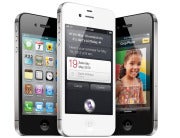
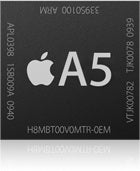
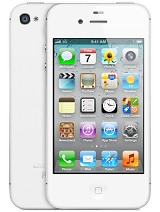
From an external-design perspective, there's nothing new to report with the iPhone 4S. If you've seen the iPhone 4, you've seen the new arrival. Inside, though, it's a different story. At the heart of the device is its A5 processor – a dual-core CPU with a clock speed of 1GHz per core. It's the same processor that powers Apple's iPad 2 and is a fundamental reason that everything on this phone works so well. With the A5, overall device speed is double that of its predecessor, and graphics rendering is reported to be up to seven times as fast, making for superb gaming performance and web browsing. The new antenna design may garner less attention but it's equally significant. The cellular signal of the iPhone 4 could be compromised by things as insignificant as the manner in which the phone is held. The iPhone 4S has two antennas, each of which can both send and receive signals and has the computing power to choose the best one.
The face of the iPhone 4S is dominated by the same 3.5-inch touchscreen that we're accustomed to. Like its immediate predecessor, it features the remarkable Retina display. Packing 960-by-640-pixel resolution into the 3.5-inch screen results in a super dense 326 pixels per inch. In practical terms, that produces razor sharp images for photos, videos and gaming. It also allows you to zoom way in on web content to see as much detail as you could ever want without irritating pixilation.
The size of the iPhone 4S' screen is a matter of some discussion. We once considered it huge by smartphone standards, but now, as the size of its competitors' displays have ballooned, it's smaller than the competition. While larger displays are nice for watching videos and gaming, the device size they demand makes them rather unwieldy to use as telephones. Given the exceptional image quality of the iPhone 4S' display and the way it feels to hold the device given its size, we're perfectly happy with 3.5 inches.

Multimedia:


Click to Enlarge
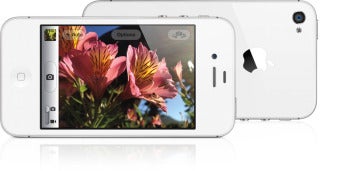
The iPod Touch has set the standard for portable media players since its introduction, and the Apple iPhone 4S essentially has a built-in iPod Touch. There isn't much more that needs to be said about this phone's stellar capabilities as a music and video player. The camera is another matter. IPhones have been criticized in the past for having cameras that really didn't compare well to other top-ranked smartphones. With the iPhone 4S, that has all changed. The first and most obvious improvement is bumping the camera's sensor count up to 8MP. That puts it right up there with the best phone cameras available.
Digital photography is all about gathering and processing light, and the pixel count plays an important role, but there's much more to consider. As with any type of photography, quality optics are critical, and Apple has added a custom lens with five elements to optimally shape incoming light. The aperture is also a larger f2.4, so more light is available regardless of the shooting conditions. In addition to the sensor and the optics, the A5 CPU's image-processing capability is on par with many DSLR cameras.
Using the camera is simple. With face detection, it optimizes settings for a single subject or up to ten faces for group shots. You can also use the pinch-to-zoom and tap-to-focus features that allow you to instantly designate which portion of any scene is most important.
These features work for video recording as well. The iPhone 4S shoots video in full 1080p HD resolution. Camera shake is virtually eliminated by video stabilization, and you can edit your videos and still photos on the phone itself.

Call Features & Quality:


Click to Enlarge
There are many great things to say about the Apple iPhone 4S, but the absence of 4G access is perplexing. There's no denying that the phone's data transfer speed is better than most devices under most circumstances, but it's not all that it could be if it had access to the Verizon Wireless and AT&T 4G LTE networks or Sprint's WiMax network. One of our favorite relatively new features available on many smartphones is the ability to make video calls, and in this arena, Apple's FaceTime is as good as it gets. It's simple to use and works flawlessly on the iPhone 4S. Even though the front-facing camera offers only VGA resolution, it's perfectly adequate for this task.
Regardless of the wireless carrier you choose, the iPhone 4S is a world phone. That's always the case with AT&T phones because they operate on the world-standard GSM system. Verizon Wireless and Sprint use the CDMA cellular system in the U.S. and Canada, but it's rare and unusable in most places outside of North America. To remedy that with these carriers, the iPhone 4S can automatically switch to GSM when overseas. It will not operate on GSM with them in the U.S. and Canada, however.
Battery Life & Memory:


Click to Enlarge
The iPhone 4S has three available storage options: 16GB, 32GB and 64GB, with the latter being an improvement on any previously offered iPhone model. Like its predecessors, the 4S doesn't have a memory card slot to expand that capacity. That's less of an obstacle than it's been in the past because of the introduction of iCloud. With iCloud, your apps, music, photos, books, documents, calendars and more are stored on Apple's servers and pushed to your other iOS devices. Additionally, iCloud backs up your data daily via Wi-Fi when the iPhone is connected to a power source. If you lose your data or get a new device, it's easy to restore using iCloud Backup. Battery life for the iPhone 4S is estimated at up to eight hours of talk time and 200 hours of standby time. Your usage will determine the actual battery life, but you can expect about six hours of internet usage on 3G or nine hours when using a Wi-Fi connection.

Additional Features:


Click to Enlarge
Voice-recognition technology has been around for quite a while, but its uses have been limited. For instance, you can speak to some devices and they'll convert what you've said to text. With the iPhone 4S, Apple has introduced Siri, a voice-recognition personal assistant that can not only copy what you say, but can also understand it and take action. Siri is smart enough to know what you mean, not just what you say. Siri is able to produce these amazing results by combining data from numerous sources, including GPS location-based services, your address book and the vast resources of the internet. It can use most of the built-in apps on the phone as well. Perhaps most impressively, you can speak in normal language rather than having to memorize specific commands. Tell it to wake you in two hours and it will set the alarm for exactly two hours in the future. Ask Siri if you'll need a jacket tomorrow and it combines knowledge of your location with the local forecast to advise you. If you'd like to send a message to someone, just say to whom you want to send it and what it should say, and it's done. This is an immensely practical application, and figuring out everything you can do with it is a lot of fun.

Summary:
The Apple iPhone 4S is the next step in the evolution of the iPhone. Apple had already set the smartphone bar very high, and this device gives it a substantial nudge higher. The vast selection of iPhone apps continues to grow rapidly, expanding the phone's capabilities almost daily. The iPhone's computing capability is made possible by its fast A5 processor. Its video and still-camera capabilities far exceed previous editions, and the introduction of Siri, even though it's still in Beta testing, position this device far ahead of its competitors.

 Specifications

Capacity
  • 16GB
  • 32GB
  • 64GB
Size and Weight
Height: 4.5 inches (115.2 mm)
Width: 2.31 inches (58.6 mm)
Depth: 0.37 inch (9.3 mm)
Weight: 4.9 ounces (140 grams)
Cellular and Wireless
  • World phone
  • UMTS/HSDPA/HSUPA (850, 900, 1900, 2100 MHz);
  • GSM/EDGE (850, 900, 1800, 1900 MHz)
  • CDMA EV-DO Rev. A (800, 1900 MHz)4
  • 802.11b/g/n Wi-Fi (802.11n 2.4GHz only)
  • Bluetooth 4.0 wireless technology
Display
  • Retina display
  • 3.5-inch (diagonal) widescreen Multi-Touch display
  • 960-by-640-pixel resolution at 326 ppi
  • 800:1 contrast ratio (typical)
  • 500 cd/m2 max brightness (typical)
  • Fingerprint-resistant oleophobic coating on front and back
  • Support for display of multiple languages and characters simultaneously
Camera, Photos and Video
  • 8-megapixel camera
  • Autofocus
  • Tap to focus
  • Face detection in still images
  • LED flash
  • Video recording, HD (1080p) up to 30 frames per second with audio
  • Video stabilization
  • Front camera with VGA-quality photos and video at up to 30 frames per second
  • Photo and video geotagging
Power and Battery
  • Built-in rechargeable lithium-ion battery
  • Charging via USB to computer system or power adapter
  • Talk time: Up to 8 hours on 3G, up to 14 hours on 2G (GSM)
  • Standby time: Up to 200 hours
  • Internet use: Up to 6 hours on 3G, up to 9 hours on Wi-Fi
  • Video playback: Up to 10 hours
  • Audio playback: Up to 40 hours
Audio Playback
  • Frequency response: 20Hz to 20,000Hz
  • Audio formats supported: AAC (8 to 320 Kbps), Protected AAC (from iTunes Store), HE-AAC, MP3 (8 to 320 Kbps), MP3 VBR, Audible (formats 2, 3, 4, Audible Enhanced Audio, AAX, and AAX+), Apple Lossless, AIFF, and WAV
  • User-configurable maximum volume limit

TV and Video
  • AirPlay Mirroring to Apple TV support at 720p
  • Video mirroring and video out support: Up to 1080p with Apple Digital AV Adapter or Apple VGA Adapter (adapters sold separately)
  • Video out support at 576p and 480p with Apple Component AV Cable; 576i and 480i with Apple Composite AV Cable (cables sold separately)
  • Video formats supported: H.264 video up to 1080p, 30 frames per second, High Profile level 4.1 with AAC-LC audio up to 160 Kbps, 48kHz, stereo audio in .m4v, .mp4, and .mov file formats; MPEG-4 video up to 2.5 Mbps, 640 by 480 pixels, 30 frames per second, Simple Profile with AAC-LC audio up to 160 Kbps per channel, 48kHz, stereo audio in .m4v, .mp4, and .mov file formats; Motion JPEG (M-JPEG) up to 35 Mbps, 1280 by 720 pixels, 30 frames per second, audio in ulaw, PCM stereo audio in .avi file format
Headphones
  • Apple Earphones with Remote and Mic
  • Frequency response: 20Hz to 20,000Hz
  • Impedance: 32 ohms
Mail Attachment Support
Viewable Document Types
.jpg, .tiff, .gif (images); .doc and .docx (Microsoft Word); .htm and .html (web pages); .key (Keynote); .numbers (Numbers); .pages (Pages); .pdf (Preview and Adobe Acrobat); .ppt and .pptx (Microsoft PowerPoint); .txt (text); .rtf (rich text format); .vcf (contact information); .xls and .xlsx (Microsoft Excel)
Sensors
  • Three-axis gyro
  • Accelerometer
  • Proximity sensor
  • Ambient light sensor
Mac System Requirements
  • Mac computer with USB 2.0 port
  • OS X v10.5.8 or later
  • iTunes 10.5 or later (free download from www.itunes.com/download)
  • Apple ID (required for some features)
  • Internet access
PC System Requirements
  • PC with USB 2.0 port
  • Windows 7; Windows Vista; or Windows XP Home or Professional with Service Pack 3 or later
  • iTunes 10.5 or later (free download from www.itunes.com/download)
  • Apple ID (required for some features)
  • Internet access
Environmental Requirements
  • Operating temperature: 32° to 95° F (0° to 35° C)
  • Nonoperating temperature: -4° to 113° F (-20° to 45° C)
  • Relative humidity: 5% to 95% noncondensing
  • Maximum operating altitude: 10,000 feet (3000 m)
Languages
Language Support
English (U.S.), English (UK), Chinese (Simplified), Chinese (Traditional), French, German, Italian, Japanese, Korean, Spanish, Arabic, Catalan, Croatian, Czech, Danish, Dutch, Finnish, Greek, Hebrew, Hungarian, Indonesian, Malay, Norwegian, Polish, Portuguese, Portuguese (Brazil), Romanian, Russian, Slovak, Swedish, Thai, Turkish, Ukrainian, Vietnamese

Keyboard Support
English (U.S.), English (UK), Chinese - Simplified (Handwriting, Pinyin, Wubihua), Chinese - Traditional (Handwriting, Pinyin, Zhuyin, Cangjie, Wubihua), French, French (Canadian), French (Switzerland), German (Germany), German (Switzerland), Italian, Japanese (Romaji, Kana), Korean, Spanish, Arabic, Bulgarian, Catalan, Cherokee, Croatian, Czech, Danish, Dutch, Emoji, Estonian, Finnish, Flemish, Greek, Hawaiian, Hebrew, Hindi, Hungarian, Icelandic, Indonesian, Latvian, Lithuanian, Macedonian, Malay, Norwegian, Polish, Portuguese, Portuguese (Brazil), Romanian, Russian, Serbian (Cyrillic/Latin), Slovak, Swedish, Thai, Tibetan, Turkish, Ukrainian, Vietnamese

Dictionary Support (enables predictive text and autocorrect)
English (U.S.), English (UK), Chinese (Simplified), Chinese (Traditional), French, French (Canadian), French (Switzerland), German, Italian, Japanese (Romaji, Kana), Korean, Spanish, Arabic, Catalan, Cherokee, Croatian, Czech, Danish, Dutch, Estonian, Finnish, Flemish, Greek, Hawaiian, Hebrew, Hindi, Hungarian, Indonesian, Latvian, Lithuanian, Malay, Norwegian, Polish, Portuguese, Portuguese (Brazil), Romanian, Russian, Slovak, Swedish, Thai, Turkish, Ukrainian, Vietnamese


Apple iPhone 4S: The Good, Bad, and Unknown

The iPhone 4S might look very similar to last year’s iPhone 4, but some intriguing specs and features are hidden under the hood.

Best current price: $499

Apple iPhone 4S: A Deep Dive Into the New iPhone's HardwareApple iPhone 4SAfter more than a year with the iPhone 4, the iPhone 4S--announced Tuesday by Apple CEO Tim Cook--seems a bit, well, underwhelming.
The hardware announced today offers no design overhaul. Apple upgraded the phone's camera from a 5-megapixel sensor to an 8-megapixel sensor, though, and the iPhone 4S will use the same dual-core A5 chip that the iPad 2 does.
4G capability? Forget it--Apple isn't going that route this time. We already knew about iOS 5 and its features for a while, but the inclusion of the Siri voice-activated software was a nice surprise.
That isn’t to say that I’m dissatisfied. Last year’s iPhone 4 still holds up among smartphones released this year, and the internal enhancements in the iPhone 4S, while a bit late to the game, are certainly welcome. The iPhone 4S is a good phone that has become even better, but I certainly wouldn’t call it “revolutionary.” And, on second thought, Apple didn’t either.
Related Slideshow Apple iPhone 4S Features Roundup: A Visual Tour

Design: No Changes, No Problem

The iPhone 4S has an identical design to the iPhone 4, but its guts are all new. Although that might be a disappointment to some people (no larger display, no slimmer body, no tear-shape game-friendly design), I am actually pretty happy with it. I really like the iPhone 4 design: It's still the thinnest smartphone available (despite Samsung’s claims), and it has a stylish, premium look thanks to the glass face and back.
I am a little disappointed to see that the screen real estate didn’t get a bump. I’m definitely not asking for a 4.5-inch display (which is too big in my opinion), but 4 inches or even 3.7 inches would make Web browsing, movie watching, and gaming a bit more comfortable. Ramon Llamas, IDC's senior research analyst for mobile devices technology and trends, says that keeping the same screen size is actually a benefit to consumers and developers.
“You have all these incredible apps [in the App Store]. If you do a different screen size, it will wreak havoc for the developer community,” Llamas says. A consistent screen size is one of the reasons why the App Store has such a high number of apps, he adds.

The Best Camera? Hard to Say
Apple iPhone 4S camera featuresApple iPhone 4S camera featuresApple isn't the only tech company that loves to tick off specs and claim its products are the first to market with a certain technology. Most companies that do so rely on consumers' failure to understand the technology or know what the specs mean. Such confusion frequently happens with camera specs, so I asked my colleague Tim Moynihan, PCWorld’s camera editor, to decipher some of the specs announced for the iPhone 4S’s camera.
Apple says that the new iPhone’s 8-megapixel camera is built around a backside-illuminated (BSI) CMOS sensor, a type of low-light-optimized sensor that debuted in Sony's cameras a few years ago. BSI sensors are now fairly commonplace in CMOS-based cameras, including both stand-alone cameras and a growing number of camera phones.
A BSI sensor is designed such that small, light-blocking wires move to the back of the sensor, making the sensor's surface a more efficient light-gathering source; as such, BSI-sensor cameras usually perform well in low-light situations without a flash. The iPhone 4's 5-megapixel sensor was also a BSI sensor, and was very good; the new sensor in the iPhone 4S is likely a higher-resolution version.
Apple also says the iPhone 4S has a five-element lens that offers 30 percent more sharpness. According to Moynihan, the lens specs sound good, but we'll need to test Apple's claims of improved image sharpness in our labs. The iPhone 4S's F2.4 lens has a wider aperture than most phone cameras do; coupled with the low-light-optimized sensor, it should perform well in low-light situations and at quick shutter speeds. The T-Mobile MyTouch 4G Slide's F2.2 aperture is still a bit wider. (The HTC-made MyTouch 4G Slide is PCWorld's top-ranking phone camera right now.)

More Pixels Make It Better?

When Apple says that the iPhone 4S camera has 60 percent more pixels than the iPhone 4 camera, it means that an 8-megapixel camera is technically 160 percent of the resolution of a 5-megapixel camera. So really, it doesn’t translate directly to improved image quality, as more megapixels aren't an indicator of better image quality on small-sensored cameras. The higher megapixel count does mean that you'll be able to print out images at a bigger size without losing resolution, or to crop images without the cropped area losing resolution.
According to Moynihan, unless the sensor size is also 60 percent bigger, the added resolution could translate to worse image quality when compared with that of the iPhone 4. When you pack a sensor of the same size with more pixels, you can end up with a lot of noise and artifacts. Again, this is something we’ll have to test when we get the iPhone 4S in.
Video: Apple Unveils Souped-Up iPhone 4S

We’re still a bit confused about what exactly Apple means when it says that the iPhone 4S has a Hybrid IR filter, as the company simply threw that term out there without actually explaining what the "hybrid" refers to. It could be a filter that allows both infrared photography and regular photography, a feature that the user can turn on or off. Moynihan suspects that the iPhone 4S’s sensor has an infrared-blocking filter built to fix any chromatic aberration, purple fringing, or color-accuracy issues caused by the sensor's being sensitive to infrared light.
If that's the case, it's a unique feature for a phone camera, although some stand-alone cameras use lens coatings and processing software to address similar issues.
As for the company's shutter-speed claims of just 1.1 seconds to take a first photo and 0.5 seconds more to take a second, we noticed that Apple did not compare the iPhone to the T-Mobile MyTouch Slide, which has the best camera of any phone we’ve tested. The Slide’s camera specs are pretty similar to the iPhone 4S’s, so we’ll have to do some head-to-head testing once we receive the Apple phone in our labs. We also plan on replicating Apple’s test with other phones we have in house.
Like many dual-core Android phones currently available, the iPhone 4S can shoot high-resolution video up to 1080p. It also features digital video stabilization--but unless it’s a radically different system than we’ve seen on other video devices, don’t expect miracles from digital-only stabilization.
Judging from the specs alone, the iPhone 4S's camera is competitive with those in the top crop of recent Android phones, including the Samsung Galaxy S II series, the HTC ThunderBolt, and the Slide. Considering the iPhone 4's excellent performance in our imaging tests, Apple gets the benefit of the doubt when it comes to those claims of improved camera performance--we just don't think the higher megapixel count has much to do with it.


Apple iPhone 4S: The Good, Bad, and Unknown

The iPhone 4S might look very similar to last year’s iPhone 4, but some intriguing specs and features are hidden under the hood.


Best current price: $499

Speed Boost

Apple's A5 processor.Apple's A5 processor.Apple claimed on Tuesday that data speeds for the iPhone 4S are double those for the iPhone 4: 5.8 megabits per second for uploads and 14.4 mbps for downloads. Ken Biba, CTO of Novarum, a company that designs wireless networks, says that the speed boost is due to the A5 chipset supporting the faster HSPA 14.4 network.
Again, Apple is playing a bit of catch-up here; we saw the first dual-core phones all the way back in January. Still, having the A5 is better than getting no processor upgrade at all. It is also encouraging that the A5 is the same chip found in Apple's iPad 2; when we reviewed the iPad 2, we noted the zippy scrolling in the browser, as well as the speed when we used iTunes and quickly navigated through various menus and galleries.
Once we have the iPhone 4S for review, we’ll subject it to our Sunspider JavaScript tests to measure browser performance. Our performance tests showed that the A5 processor in the iPad 2 was twice as fast as the processor in the iPhone 4. I’m not sure how much the chipset will benefit the iPhone 4S, but any speed enhancement is a positive thing. And the iPhone 4 isn’t exactly a slouch to begin with.
The one concern that I have (not to mention most consumers who have owned an iPhone in their lifetime) is about the battery life. If you own an iPhone, you are pretty much constantly using it--whether you’re talking, taking pictures, changing the song in iTunes, or playing a game. The battery drains fast. And unfortunately, battery life is becoming an even bigger issue with with some of the dual-core Android phones we’ve seen (especially those on a 4G network). Apple did address these concerns, however, stating that the iPhone 4S will provide 8 hours of 3G talk time and 10 hours of video playback.

No 4G: Missed Opportunity?

No 4G on Apple's iPhone 4SGiven Apple’s delay in jumping on 3G a few years ago, I wasn’t surprised when the company announced that the iPhone 4S would not support 4G LTE/WiMax networks. Ramon Llamas of IDC says that he understands why Apple sacrificed LTE/WiMax support for this release: LTE isn’t a world standard yet, and Apple would have had to make different U.S.-only models to support the technology. Right now the company’s focus seems to be on iOS 5 and rolling out iCloud. Perhaps when the iPhone 5 (which is purely mythological at this point) surfaces, Apple will embrace LTE or WiMax.
Although I am disappointed that we won’t get to see an LTE or WiMax iPhone, I have a feeling that it won’t make a difference to customers. The original iPhone still sold like crazy without 3G.
What consumers do want is reliable coverage and no dropped calls. According to Apple, the iPhone 4S can intelligently switch between two antennas for even better call quality, as well as faster download speeds. This claim needs testing in the real world, however.
At its event Tuesday, Apple showed a chart comparing the iPhone’s download speeds against other HSPA+ phones on AT&T that carry the 4G label. I respect Apple for not calling the iPhone 4S a 4G phone just because it can match the speeds of those competing handsets. HSPA or HSPA+ still constitutes a 3G network--even if a phone can produce “4G-like” speeds.
What is unfortunate, however, is that U.S customers on the Sprint and Verizon networks likely will not experience the faster speeds, since they’ll be limited to CDMA’s 3G EvDO.
I’m pleased to see the iPhone finally make it to Sprint. Lacking the iPhone, the carrier has held its own with a strong line of Android phones, but I know that quite a few Sprint customers will be happy to hear this news. Additionally, all versions of the iPhone 4S are GSM/CDMA world phones, which is a big win. However, having used an iPhone overseas, I cringe at the thought of what the carriers will charge while users travel.

Siri Voice-Command Software: Your Very Own Personal Assistant

Siri Personal Assistant on the iPhone 4SSiri Personal Assistant on the iPhone 4SPerhaps the feature I’m most intrigued by is the long-rumored Siri Personal Assistant. Voice-command software isn’t exactly a new feature in smartphones, but Siri seems so tightly integrated that it almost seems creepy.
“The best interface a person can have with a device is your voice. You can talk to it, and it talks back,” IDC's Llamas says about Siri.
But he and I both foresee some potential issues out of the gate. Tim Cook explicitly stated that Siri will take a few days to get used to your voice--but how will Siri deal with different English accents and dialects? Will Siri be able to understand my friend’s thick Boston accent? Or my aunt’s Southern accent? How will Siri deal with nonnative English speakers?
The iPhone 4S comes to AT&T, Verizon, and--for the first time--Sprint on October 14, but preorders start October 7. As soon as we have one, we will put the iPhone 4S through our rigorous tests to see how it compares against the top-rated Android phones, the soon-to-be-released Windows Phone 7 "Mango" phones, and its predecessor, the iPhone 4. Stay tuned.

 
Apple

Apple iPhone 4S

Apple iPhone 4S
MORE PICTURES
  • Apple iPhone 4S review: Fast 4ward

Popularity

Daily interest
16%
Design
7.7
Features
7.7
Performance
7.8


Samsung Galaxy S III vs. Apple iPhone 4S: It's Tough to Compare......

NEWS ANALYSIS: The comparisons between the Samsung Galaxy S III and the iPhone 4S started almost immediately, but is this fair? The real test comes when Apple rolls out the iPhone 5.

When Samsung, the new world leader in mobile phone shipments, introduces anything, a glance to the Apple iPhone is a natural response. When Samsung introduces a phone that in all likelihood will be the summertime blockbuster of Android phones, holding Samsung against Apple—or the Galaxy S III against the iPhone 4S—becomes more of a compulsion.
The sizes of the devices is notable: The iPhone 4S, with its 3.5-inch (diagonal) display, measures 115.2 by 58.6 by 9.3mm, while the S III, with a 4.8-inch display, measures 136.6 by 70.6 by 8.6mm. Still, the iPhone weighs 140 grams to the S III's 133 grams.
Apple has its Siri assistant, which users can ask to do things like send emails while they're jogging or remind them about an appointment or birthday. The S III has S Voice, more of a presence than an assistant that's waiting, anticipating and literally watching.
Still, measuring up the two smartphones anymore seems silly.
Apple is preparing to refresh the iPhone later this year. So, it is the unknown iPhone 5 that the Galaxy S III will be more properly compared against. Though, according to reports coming out of Samsung's London event, the Galaxy S III will arrive in the United States later this summer, while by most accounts the newest iPhone won't arrive until the fall.
Could consumers waiting for a new iPhone, or at least its introduction, hurt Galaxy S III sales? In the fast-moving mobile market, it's anyone's guess.
"If nothing else, Samsung's GX3 has provided a target for Apple to aim at with the iPhone 5," Charles King, principal analyst with Pund-IT, told eWEEK. "The S III's display size, CPU and RAM are all significantly superior to Apple's current generation iPhone 4S, and may well come to represent the 'table stakes' required for vendors to play in next-gen smartphones."
Plus, King added, Samsung included expandable memory and a replaceable battery in the S III.
"Neither Apple nor HTC offers those features at this time, and it seems to me that both features will become increasingly important as smartphone vendors focus on 'media-enhanced' features and user experience," said King. “Seeing how Apple, HTC and other vendors respond will say a lot about their strategic evolution and the confidence they have in their own product development efforts."
Roger Kay, principal analyst with Endpoint Technologies, notes that it's important, when comparing Apple and Samsung, to distinguish between segment domination, where Apple is the clear leader, and phone shipment numbers, where Samsung offers a greater range of price points.
"If you keep your eye on the money, it's still Apple by a couple of lengths. But Samsung is giving Apple a run for its money on technology and integration," said Kay. "So, this intense rivalry should continue for the next couple of years."
Analyst Ken Hyers, with Technology Business Research , told eWEEK he's feeling conflicted about the Galaxy S III, which seems to be a result of Samsung top brass taking the kitchen-sink route, throwing in everything they could imagine, but there's the Galaxy S III's crazy size.
"Anyone who wants to put one in their pockets will first have to sew some oversized pockets onto their clothes," said Hyers.
However, for 2012 at least, he expects it will be the iPhone of the Android community.
"The overly attentive software will probably repel a certain minority of customers, who will be either bugged by the fact that the device is overly complicated or will be creeped out by the way the Galaxy S III watches and anticipates what users want," said Hyers.
"But most folks will love the new software, which will make them start doing things with their smartphones that they never even thought about doing before they bought the Galaxy S III,” he added.


iPhone 4S

source:Wikipedia.
iPhone 4S
The iPhone 4S logo.
IPhone 4S No shadow.png
Developer Apple Inc.
Manufacturer Foxconn
Slogan(s) "It's the most amazing iPhone yet."
Form factor Slate smartphone
Release date
Units sold Four million in first three days of initial sales (October 14–17)
Operating system iOS 5.1.1
Released May 7, 2012; 9 days ago
Power 3.7V, 5.3Whr
SoC Apple A5
CPU 800 MHz dual-core ARM Cortex-A9
GPU PowerVR SGX543MP2
Storage capacity 16, 32, or 64 GB
Memory 512 MB
Display 3.5 inches (89 mm) diagonal 1.5:1 aspect ratio widescreen
LED backlit IPS TFT LCD
640×960 resolution at 326 ppi (0.61 MP)
800:1 contrast ratio (typical)
500 cd/m2 max. brightness (typical)
Fingerprint-resistant oleophobic coating on front and back glass
Audio Single loudspeaker
3.5 inches (89 mm) TRRS
Frequency response: 20 Hz to 20 kHz
Input 4 buttons
switch
microphones, touch-screen, acceleration, orientation
Rear camera 8 MP back-side illuminated sensor
HD video (1080p) at 24/30 frame/s
IR filter
Aperture f/2.4
5 element lens
Image signal processor (built-in A5)
Facial recognition (stills only)
image stabilization
Front camera 0.3 MP VGA 30 FPS (480p)
Connectivity Wi-Fi (802.11 b/g/n) (2.4 GHz only)
Bluetooth 4.0
Combined GSM/CDMA antenna: quad-band GSM/GPRS/EDGE
(800 850 900 1800 1900 MHz)
Quad-band UMTS/HSDPA/HSUPA
(800 850 900 1900 2100 MHz) (800 MHz unannounced)
Dual-band CDMA/EV-DO Rev. A (800 1900 MHz)
GLONASS, GPS
Online services iCloud, App Store, iTunes Store, iBookstore
Dimensions 115.2 mm (4.54 in) H
58.66 mm (2.309 in) W
9.3 mm (0.37 in) D
Weight 140 g (4.9 oz)
Predecessor iPhone 4
Related articles iPhone, iPad (3rd generation), iPod Touch
Website apple.com/iphone
The iPhone 4S is a touchscreen-based, slate-sized smartphone developed by Apple Inc. It is the fifth generation of the iPhone and retains the exterior design of its predecessor, the iPhone 4, but is host to a range of improved hardware specifications and software updates. The phone added a voice recognition system known as Siri and a cloud storage service named iCloud. Some of the device's functions may be voice-controlled through Siri.
On October 4, 2011, in Cupertino, California, Apple announced the iPhone 4S. On October 7, 2011, it became available for preorder in seven initial countries (United States, Canada, Australia, United Kingdom, France, Germany and Japan) with the first delivery date set for October 14, 2011 and available on that same day for direct in-store sales in those countries. It was released in 22 more countries, including Ireland, Mexico, and Singapore on October 28.
It is available for 100 cell service carriers in 70 countries, including eight carriers in the United States. For US customers, unlocked (contract-free) sales started on November 11, 2011. The Associated Press said that AT&T described early iPhone 4S demand as "extraordinary".Reception to the iPhone 4S was generally favorable. Reviewers noted Siri, the new camera, and processing speeds as significant advantages over the prior model. Four million units of the iPhone 4S were sold in the first three days of release.

Contents

  • 1 History
  • 2 Features
    • 2.1 Software
    • 2.2 Hardware
  • 3 Reception
    • 3.1 Critical reception
    • 3.2 Commercial reception
  • 4 See also
  • 5 References
  • 6 External links

History


The "Let's Talk iPhone" event was held on the Apple Campus, instead of the Yerba Buena Center for the Arts, where most non-WWDC events are held.
Speculation about Apple's next generation phone, including various specifications and a predicted name ("iPhone 5"), were widespread in the time preceding its debut. After the iPhone 4S was announced, there was some disappointment about the new phone's name. As early as May 2011, some leaks had a fairly accurate description of the product including the name "iPhone 4S", the A5 chip, HSDPA, new/better camera, and Sprint carrying.
There were no external differences between the iPhone 4 CDMA model and the iPhone 4S; all changes were internal (slight external differences between the iPhone 4 GSM model and the iPhone 4S exist, as said differences existed between the CDMA and GSM models of the iPhone 4).
The iPhone 4S was unveiled at Apple's "Let's Talk iPhone" event on October 4, 2011, on the Apple Campus in Cupertino, California. The keynote was the first in which Tim Cook led since the Verizon keynote earlier in the year. It was also Cook's first product launch without Apple co-founder, Steve Jobs, whose health was deteriorating and died the day after the announcement of iPhone 4S. Tim Carmody of Wired praised Cook for focusing on company achievements, calling him a "global business thinker" and a "taskmaster".
At the "Let's Talk iPhone" event held by Apple on October 4, 2011, Mike Capps demonstrated Epic Games' Infinity Blade II, the sequel to Infinity Blade, on an iPhone 4S. Capps boasted that the game uses Epic Games' Unreal Engine 3 and features the same graphic techniques used in the Xbox 360 game Gears of War 3.

Features

Software

The screen shown when the user first purchases an iPhone 4S. It is the setup screen.
Shown is the iPhone 4S's setup screen. The iPhone 4S is the first iPhone that does not need to connect to iTunes in order to be activated, due to iOS 5.
The iPhone 4S uses iOS, Apple's mobile operating system. The user interface of iOS is based on the concept of direct manipulation, using multi-touch gestures. Interface control elements consist of sliders, switches, and buttons. The response to user input is immediate and provides a fluid interface. Interaction with the OS includes gestures such as swipe, tap, pinch, and reverse pinch, all of which have specific definitions within the context of the iOS operating system and its multi-touch interface. Internal accelerometers are used by some applications to respond to shaking the device (one common result is the undo command) or rotating it in three dimensions (one common result is switching from portrait to landscape mode).
The 4S uses iOS 5.1.1, which was released on May 7, 2012. It can act as a hotspot, sharing its internet connection over WiFi, Bluetooth, or USB, and also accesses the App Store, a digital application distribution platform for iOS developed and maintained by Apple. The service allows users to browse and download applications from the iTunes Store that were developed with Xcode and the iOS SDK and were published through Apple. From the App Store, GarageBand, iMovie, iPhoto, and the iWork apps (Pages, Keynote, and Numbers) are available for purchase to use on the iPhone.
The 4S comes with several applications by default, including Safari, Mail, Photos, Video, YouTube, Music, iTunes, App Store, Maps, Notes, Calendar, Game Center, Photo Booth, and Contacts. Like all iOS devices, the 4S can sync with a Mac or PC using iTunes, although iOS 5 and later can be completely PC-free. Although the 4S is not designed to make phone calls over a cellular network, a user can use a wired headset or the built-in speaker and microphone and place phone calls over Wi-Fi or cellular using a VoIP application.
The iPhone 4S introduced a new automated voice control system called "Siri", unique to the 4S, that allows the user to give the iPhone commands, which it can execute and respond to. For example, iPhone commands such as "What is the weather going to be like?" will generate a response such as "The weather is to be cloudy and rainy and drop to 54 degrees today". These commands can vary greatly and control almost every application of the phone. The commands given do not have to be specific and can be used with natural language. Siri can be accessed by holding down the home button for an extra amount of time (compared to using the regular function). An impact of Siri, as shown by Apple video messages, is that it is much easier for people to use device functions while driving, exercising, or when they have their hands full. It also means people with trouble reading, seeing, or typing can access the phone more easily.
Siri is supported by the A5 chip and is currently a feature only available on the iPhone 4S. Siri also needs Internet access to function. When used for the first time, Siri does not require setup but does adapt to a user's voice over time, and can also be taught certain things directly. A number of aspects of the software can be configured, such as language and its voice feedback ability.
At launch Apple said Siri was still in beta, with a certain set of abilities with restrictions, such as being able to dictate texts but not emails, and only controlling certain apps. It is integrated with Apple's Find My Friends program (which debuted at the same time as the 4S), so Siri can potentially answer questions such as, "Where is my wife?" When it is enabled, Apple's Find My Friends lets a social group know where each other are and Siri can use this information to answer questions. Siri can be taught information, so it knows who a person is referring to when they use generic terminology on that device.
On the iPhone 4S, texting can be aided by the voice assistant, which allows speech-to-text.In addition to regular texting, messaging on the iPhone 4S is supported by iMessage, a specialized instant messaging program and service that allows unlimited texting to other Apple iOS 5 products. This supports the inclusion of media in text messages, integration with the device's voice controlled software assistant, and read receipts for sent messages. Input to the computer comes from a keyboard displayed on the multi-touch screen or by voice-to text by speaking into the microphone. Entered text is supported by predictive and suggestion software as well as a spell-checker, that includes many regional dialects like Swiss spoken French.
At announcement, plans were in place for the iPhone 4S to support many languages. Different features have different language requirements, such as keyboards compared to the word predictor and spell-checker, which needs a large dictionary of words. Language support is related to the iOS 5 operating system that the device launched with, although not always. The Siri digital assistant supported French, English, and German at launch. Since it uses a software based keyboard supported by the multi-touch display, it can support many different keyboard layouts without having to change physically. The iPhone 4S can display different languages and scripts at the same time.

Hardware

An iPhone 4 on top of an iPhone 4S.
Comparison between iPhone 4 hardware (top) and iPhone 4S hardware (bottom). Notice the repositioned antennae (the visible stainless steel which forms the perimeter around the phone).
The camera on the back side of the iPhone 4S.
The iPhone 4S features an 8 megapixel camera and 1080p video recording.
The iPhone 4S has a stainless steel, dual-antenna design. Apple redesigned the antenna in the iPhone 4S so that the cellular radio in the phone can alternate between two antennas, depending on which is sending/receiving the best signal. These two antennas form part of the stainless steel band that covers the sides of the iPhone 4 and 4S. The bands on the iPhone 4S are divided into four antennas: cellular, Bluetooth, GPS, and Wi-Fi.
The 4S uses the Apple A5 system-on-a-chip that uses an Imagination Technologies PowerVR SGX graphics processing unit, which features pixel, vertex, and geometry shader hardware, supporting OpenGL ES 2.0. The SGX543 is an improved version of the GPU used in the iPhone 4S' predecessor, the iPhone 4. However, the iPhone 4S uses a dual-core model, the SGX543, that is integrated with the Apple A5 SoC in the same way as the iPad 2. Apple claims that the iPhone 4S can process graphics up to "seven times faster" than the iPhone 4 was corroborated by Epic Games president Mike Capps.
It has 512 MB of RAM, the same as its predecessor. Maximum available storage size increased to 64 GB whilst the 32 GB and 16 GB model options were retained. The screen is the same as the prior generation iPhones; 3.5 inches (89 mm), 640×960 resolution (Apple's "retina" design). There was an improvement in interactive multimedia applications compared to its predecessor.
In both the iPhone 4 and 4S, the cellular (GSM) antenna is divided into two. Therefore, if the iPhone 4S is gripped in such a way as to attenuate one piece of the cellular antenna, the radio will switch to the other piece that isn't being gripped. The iPhone 4S can support a maximum output theoretically of up to 14.4 Mbps with HSDPA as a result of an upgraded radio chip inside the phone, in addition to being a world phone, so both CDMA and GSM customers can roam internationally on GSM networks. It also supports Bluetooth 4.0.
The camera on the iPhone 4S, also known as an iSight camera, can take 8 MP photos (3264 by 2448 pixels) and record 1080p videos at up to 30 frames per second with upgraded quality (30% better clarity, 26% better white balance, color accuracy) due to an additional lens, IR filter, a wider f/2.4 aperture, and Image signal processor (built-in A5).
In iOS 5.1, the camera can be accessed directly from the lock screen, and the volume up button doubles as a shutter trigger. The built-in gyroscope is able to stabilize the camera while recording video. Other features of the camera are macro (for close up pictures) and faster capture including being able to take its first picture in 1.1 seconds and the next half a second later.
Like the iPhone 4, the 3.5 inches (89 mm) 960 by 640 pixel Retina display supports multitouch, a technology that allows multiple simultaneous touch inputs. The iPhone 4S has two volume buttons and a ring/silent switch on the left side. On the top left there is a 3.5 mm headphone jack and a microphone that is used for both noise cancellation during calls and when in speakerphone/FaceTime (video calling) mode. The lock/power button is situated on the top right edge of the device. The right side of the device has a SIM card slot. The bottom of the device features a speaker output on the right and a microphone input on the left with Apple's proprietary 30-pin dock connector in the center. The iPhone 4S supports video out via AirPlay and various Apple A/V cables.Supported video formats include such as H.264 (1080p 30 fps max.), MPEG-4 video, and motion JPEG (M-JPEG).
In addition to user inputs, the device also has several sensors that give the phone information about its orientation and external conditions. These include a 3-axis gyro, an accelerometer, a proximity sensor, and an ambient light sensor. The iPhone 4S is stated to have 200 hours standby time (iPhone 4 300 hours), 8 hours talk time on 3G (iPhone 4–7 hours), 14 hours talk time on 2G, 6 hours 3G browsing, and 9 hours Wi-Fi browsing.Additionally, it can sustain up to 10 hours of video playback or 40 hours of audio playback.

Reception

A person holding an iPhone 4S with Siri open.
Reviewers praised the 4S's Siri as one of the most innovative new features.
An Apple Store with people trying out the iPhone 4S
Consumers interacting with the iPhone 4S in an Apple Store.

Critical reception

Reception to the iPhone 4S was generally favorable. Reviewers noted Siri, the new camera, and processing speeds as significant advantages over the prior model. Tim Stevens of Engadget said that the "iPhone 4S does everything better than the iPhone 4, but it simply doesn't do anything substantially different." Joshua Topolsky of The Verge stated that "if this were to be a car, it would be a Mercedes" and that Siri is "probably one of the most novel applications Apple has ever produced." Most reviewers thought that Siri was the most important feature on the iPhone 4S. Brian Chen of Wired said that "the fifth-generation iPhone's superb camera and speedy dual-core processor are classy additions. But Siri is the reason people should buy this phone."
Retrevo surveyed more than 1,300 U.S. consumers and reported that 71 percent of all smartphone owners were not disappointed by the new iPhone 4S but 47 percent or almost a half of current iPhone 4 owners were; 12 percent were hoping for a bigger display, 21 percent wanted a refreshed design, and 29 percent desired 4G. Echoing technology pundits, Reuters suggested that the lack of a more radical departure from the iPhone 4 could open new market opportunities for rivals. Analyst C. K. Lu of Gartner believed that Apple no longer had the leading edge and that the 4S would only sell due to brand loyalty, as fans had been expecting an iPhone 5 with a thinner profile, edge-to-edge screen, and stronger features. These same fans had also wanted a cheaper, stripped-down iPhone 4. The German phone company Deutsche Telekom said they were "satisfied" with consumer interest.
Gaming on the iPhone 4S has been likened to the PlayStation Vita, that features the same SGX GPU only in a quad-core configuration, and the Nintendo 3DS handheld game consoles. Further, the iPhone 4S' ability to process 30 million polygons per second has been compared to the PlayStation 3 and the Xbox 360 home video game consoles that can process 275 million and 500 million polygons per second respectively.
CVG's deputy editor Andy Robinson told TechRadar that the "iPhone 4S is certainly laying down some serious credibility for the iPhone as a core gaming device. Not only is it now pushing out games that simply eclipse the Nintendo 3DS visually, but features like cloud saving and TV streaming support are really exciting for gamers." The senior gaming analyst at Jon Peddie Research, Ted Pollak, believes the biggest improvement to gaming on the iPhone 4S is the voice control features, noting that "one of the features that Nintendogs players loved was the ability to talk to it. There's no reason why a game like that couldn't be done on the iPhone 4S, and much more sophisticated given the voice control shown."

Commercial reception

Unlike prior iPhone models, the number of sales of the iPhone 4 had not yet climaxed before the introduction of the 4S. Previous iPhone models were released during or after declining sales figures. In addition, iPhone 4 users had high marks for being satisfied with their phone.Nevertheless, they wanted more from Apple, forgetting that from Apple's perspective the iPhone 4 was still a hit and that new users may not be bothered by the unchanged look and feel as they did not formerly own an iPhone 4. Upon the announcement of the iPhone 4S, shares of Samsung Electronics, HTC and Nokia gained on Wednesday after the 4S was announced, while Apple stock fell. However, later in the day Apple shares rebounded ending with a 1% gain.
With the launch of the pre-order, AT&T said that the demand for the iPhone 4S was "extraordinary". Over 200,000 pre-orders were placed within 12 hours of release through AT&T. In addition, AT&T, Verizon, and Sprint sold-out pre-order stock by October 8, 2011 and by October 9 there was a 1-2 week estimate on new pre-orders to be filled. On October 20, 2011 AT&T surpassed 1 million iPhone 4S activations. On October 10, Apple announced that over one million iPhone 4Ss had been pre-ordered within the first 24 hours of it being on sale, beating the 600,000 device record set by the iPhone 4. The 16-month wait between the iPhone 4 and 4S may have contributed to overwhelming sales as well.
On October 17, 2011, Apple had announced that four million units of the iPhone 4S were sold in the first three days of release, and 25 million iOS users had upgraded to the then latest version of iOS, iOS 5, which was released upon the introduction of the phone. Phil Schiller, Apple's senior vice president of Worldwide Product Marketing, stated that the "iPhone 4S is off to a great start with more than four million sold in its first weekend—the most ever for a phone and more than double the iPhone 4 launch during its first three days." The used phone market saw unprecedented rates of trade-ins in the weeks leading up to the 4S announcement, and after it there was a drop in prices offered. Previous generation iPhones are recirculated through the markets through various methods and third-party buyers may purchase older generation iPhones. Apple also buys back previous generation iPhones under a special program. On April 24, 2012, AT&T announced that 7.6 million iPhone units were activated in Q4 2011, and 4.3 million in Q1 2012. In total, AT&T has sold 5.5 million smartphones in the first quarter of 2012, out of which 78% were iPhones.


Smartphones Review

  Why Buy a Smartphone?

As a busy person, you know the importance of staying a step ahead of your clients and your family. You probably know the feeling of being  tied to your desk or home so as not to miss that important email or phone call and to maintain convenient access to essential data—proposals, schedules, contact information, business news or the stock market. However, thousands have newfound freedom using PDA-style smartphones designed for business (and fun). These cellular devices trace their roots back to the personal digital assistant or PDA. Originally used as businessperson’s right hand to track important client information, project statuses, and task lists, these devices have evolved into an everyman’s (and woman’s) tool.
These cellular devices are much more than just cell phones; they provide instant access to the web. Whether you’re researching news to predict the stock market or looking for the perfect golf course on the weekend, you’ll find it on the net.
Many of these devices allow you to sync with your desktop computer. This means you can store, view, and work on documents directly on your handheld. You can also receive and respond to emails as they arrive in your inbox on your home computer with real-time push email.
These products can also serve as multimedia devices, so your entertainment goes with you. They can store and display pictures and videos of friends and family and even entire feature-length movies. Most can take pictures and capture video, but the most common multimedia function is the ability to play MP3s—sit back, relax, and enjoy your favorite tunes while traveling or during breaks.
Another perk of using one of these devices is the fairly recent development of third-party applications (or apps). These apps range from those geared toward hardworking business tasks to entertaining games and everything in between. With thousands of apps available to download in a range of prices, there’s sure to be something that will appeal.

Smartphones: What to Look For

In the past, business people were easily identifiable—they carried large briefcases, binder planners and perhaps a brick cell phone. The scene has changed and so has the way we conduct life and business. One of these devices stores important data and documents, offers a calendar planner, provides instant access to the internet and email and keeps you in touch with clients, coworkers, friends and family – anytime and anywhere.
Below are the criteria TopTenREVIEWS used to evaluate these cellular devices.
Design
Size and weight, along with screen size and resolution, make a difference in the display and handling of these devices.
Multimedia
The best business cell phones have at least a 5 megapixel camera with zoom features and the ability to play and record audio and video. These cell phones act as life management devices and include organizational features like calendars and task lists. Most sync with home computers allowing for document viewing and editing.
Call Features & Quality
The foundation of business is communication, and these product's first function is as a cellular phone. These devices for business should include all typical cell phone features including speakerphone, three-way calling, voice dialing, call waiting, etc.
Battery Life & Memory
The most practical products are compact, include good input and display options, and enough battery life to last through a full day’s work and beyond.
Additional Features
Many cellular devices include practical tools like calculators, map applications and GPS. Some have the ability to support third-party or browser-based programs that can perform a variety of specific functions. Third-party apps are becoming a key component, allowing the user to customize their smartphones to support their lifestyles.


Who's the top smartphone maker?

Apple and Samsung are duking it out for the smartphone crown, but other contenders are up for a good fight too. Who do you think is the top smartphone maker?
Samsung Galaxy S III
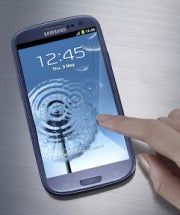
The Galaxy S III is Samsung's latest smartphone volley.
(Credit: Samsung)
It's epic. There's the clashing of pixels, the gnashing of processors, and the crunching of operating systems locked in a battle for supremacy.
Apple and Samsung both have claims to the crown, but (much like the Highlander) there can be only one!
Apple topped the U.S. smartphone market with a 29 percent share in the first quarter, according to stats from NPD, but Samsung rocketed to a 24 percent share in the same period. Worldwide, it's a flipflop. Samsung rode the popularity of Android into the No. 1 smartphone slot last quarter with 29 percent global market share, according to IDC, while Apple accounted for 24 percent.
Choosing a smartphone king can be subjective depending on the criteria you're using. You may have an emotional attachment to your Samsung Galaxy S II or undying loyalty to the iPhone 4S. You may decide to go strictly by the global sales numbers or you may give more weight to the U.S. market.
Apple and Samsung are the current heavyweight contenders when it comes to market share, but they're not the only smartphone options. The Motorola Droid Razr Maxx can be found on CNET's current Best Smartphones list and HTC's One also staked a claim on the list.
Let's tackle this issue with a subjective opinion poll. Who reigns supreme over the smartphone world? Your choice may range outside of the Apple versus Samsung clash, so we've got some options to reflect that. Vote in our poll and tell us in the comments what swayed you.
 
 Some Top Smartphones Review

Samsung Galaxy S3 Review (pebble blue, unlocked)

You've probably read all the rumors about the next Samsung Galaxy smartphone. And guess what -- most of them are pretty spot on. Samsung's upcoming flagship handset, now with an official name, the Samsung Galaxy S III, has finally made its debut here in the chilly English capital.

The handset official specs include a 4.8-inch HD Super AMOLED display with a 720p resolution (1,280x720 pixels), HSPA+ connectivity, an 8-megapixel camera, 2,100mAh removable battery, as well as a quad-core Exynos processor. It runs Android 4.0 Ice Cream Sandwich as its operating system, and will come in two color options: blue or white.
Samsung Galaxy S III
Meet the Samsung Galaxy S III.
(Credit: Aloysius Low/CNET Asia)
While this is the global version that Samsung showed off at its unveiling event, an LTE version of the Galaxy S III phone will come to the U.S., but it isn't slated until summer, a full year after the Samsung Galaxy Nexus launched on Verizon.
I had a chance to handle the smartphone before the official launch event, and here are my initial impressions of the handset, including a look at some of the newer features of the TouchWiz user interface.

Samsung Galaxy S III

Samsung Galaxy S III
Samsung Galaxy S III.jpg
Samsung Galaxy S III (GT-I9300)
Manufacturer Samsung Electronics
Series Galaxy series; S series
Compatible networks GSM/GPRS/EDGE 850, 900, 1800, and 1900 MHz
UMTS/HSPA+ (21 Mbps down, 5.76 Mbps up) 850, 900, 1900, and 2100 MHz
LTE In certain regions
Availability by country May 29, 2012 in Europe
Predecessor Samsung Galaxy S II
Related Samsung Galaxy Note
Galaxy Nexus
Type Touchscreen smartphone
Dimensions H 136.6 mm (5.38 in)
W 70.6 mm (2.78 in)
D 8.6 mm (0.34 in)
Weight 133 g (4.7 oz)
Operating system Android 4.0.4 (Ice Cream Sandwich) with TouchWiz "Nature UX" UI
SoC Samsung Exynos 4 Quad
CPU 1.4 GHz quad-core ARM Cortex-A9
GPU ARM Mali-400 MP
Memory 1 GB RAM
Storage 16/32/64 GB flash memory
Removable storage up to 64 GB microSDXC
Battery 2100 mAh
Data inputs Multi-touch touch screen, aGPS, GLONASS, barometer
Display 4.8 in (120 mm) AMOLED with 1280×720 pixels (306 ppi) and RGBG-Matrix (PenTile)
Rear camera 8 megapixels
Front camera 1.9 megapixels
Connectivity Bluetooth 4.0, Wi-Fi supporting 802.11 a/b/g/n, NFC, AllShare
The Samsung Galaxy S III (GT-i9300) is a smartphone running the Android operating system that was announced by Samsung on 3 May 2012 in London. It is the successor to the Samsung Galaxy S II, The device will release in Europe on May 29, 2012. It will release in the US on June.
It will be available in two colour options—marble white and pebble blue—along with numerous new software features and hardware accessories. These include Smart Stay (the screen remains on when the user looks at the screen, otherwise it sleeps), Direct Call (which allows the user to call a person whose text message is currently on screen simply by raising the phone to the ear), Pop Up Play (allows a video and other activities to occupy the screen at the same time), S Voice, Buddy Photo Sharing, Allcast Share Dongle, Group Cast (documents collaboration), wireless charging, S Pebble MP3 player, dock/charger, C-Pen, slimline case, and car mount. The phone comes in 16 GB, 32 GB, and 64 GB variants, and an additional 50 GB of space is offered on the Dropbox service for purchasers of the device for two years, doubling rival HTC's 25 GB storage for the same duration.
The international version has Samsung's Exynos 4 Quad system on a chip containing a 1.4 GHz quad-core ARM Cortex-A9 CPU and an ARM Mali-400 MP GPU. However, the US version is expected to use Qualcomm’s dual-core Snapdragon S4 SoC to support LTE functionality.Dimensions of the device are 136.6 x 70.6 x 8.6 mm and weighs at 133 grams with a 2100 mAh Lithium Ion battery.
The Galaxy S III is the official device of the 2012 Summer Olympics.

Samsung's Galaxy S III is plastic, but powerful (photos)


Upside
The 4.8-inch 720p display looks great -- everything appears sharp, fonts were crisp, and colors were vibrant. Samsung was not willing to tell me early if the display uses a RGB matrix display (three subpixels per pixel) or a PenTile (two subpixels per pixel) one. I suspect it's the latter because of the name of the display -- it lacks the "Plus" at end, which denotes the RGB matrix version. It's likely the S III uses the same display found on the Galaxy Note, but for a slightly smaller panel.
While the screen is huge, the phone doesn't feel big. It's slightly larger and thicker than the Galaxy S II, but still feels comfortable in my hands. At 4.7 ounces, it's 0.6 ounce heavier than the Galaxy S II and about 0.1 ounce heavier than the HTC One X. The S III is, however, thinner compared with the One X -- 0.3 inch versus 0.35 inch.
Samsung has also made its 2,100mAh battery removable, and the handset will come in three storage capacities: 16GB, 32GB, and 64GB (this latter size won't be immediately available). In addition, it has a microSD card slot for up to another 64GB of storage. The handset will have 1GB RAM for running applications.
Samsung Galaxy S III
The S III comes with a removable 2,100mAh battery.
(Credit: Aloysius Low/CNET)
Like the S II, the S III will feature an 8-megapixel camera. Samsung has learned some lessons from making the Galaxy Nexus, as the S III will have the zero shutter lag feature, too. The company also seems to have gotten some inspiration from the HTC One X, as the S III also sports a "select your best shot" feature after taking multiple shots. The implementation is different, though; the Samsung smartphone will automatically suggest the best image for you based on a few factors including smile detection and facial recognition.


You can also take a picture while recording a video -- feel free to guess where you first heard of this feature. Other imaging-related enhancements include contact tagging and automatic photo grouping based on who is in the picture. The front-facing 2-megapixel camera will also have face detection -- which keeps the screen awake and from dimming if you are looking at it. It didn't seem to work when I tried it, but bear in mind that this sample is not the finished retail product.
Besides the obvious hardware improvements and software tweaks, Samsung has also added more tweaks to its TouchWiz UI. These include a new "Pop up Play" video function, which lets you watch a video while doing other things such as surfing the Web or sending text messages. Android Beam (an NFC-based feature) has also been beefed up -- it's now called S Beam and will also let you transfer large files using Wi-Fi Direct (for speeds of up to 300Mbps).
Samsung Galaxy S III
S Beam is like the NFC-based Android Beam, but also works with Wi-Fi Direct for sending large files.

The same voice control feature found on the Galaxy Note makes a return as S Voice and you can even use it to wake up your handset. Samsung has also made it part of the Ice Cream Sandwich Face Unlock feature; it now needs to see your face and hear your voice before you can unlock the handset.
Instead of the S Cloud rumors, the S III will come with a free two-year 50GB Dropbox account, twice that of the One X. Lastly, in what appears to be an S III exclusive, the handset will come with Flipboard for Android, a port of the popular news reading app previously only available on iOS.
Samsung Galaxy S III
Flipboard for Android on the Galaxy S III.

Downside
For those hoping the rumors about the micro-oxidized ceramic rear are true, well bad news. It's not. The Samsung Galaxy S III sticks to the same plastic build, only this time it comes in blue or white. While the handset felt solid, the plastic rear just doesn't give a good grip like the Galaxy Nexus, and it doesn't feel as durable as the polycarbonate finish of the One X.
Instead of software buttons, Samsung chose to use a traditional physical home button and touch-sensitive keys. I would have preferred the company to have made a bold switch with software keys, hence my disappointment. Also with the Menu key on the left instead of the Back key, I found myself accidentally hitting it while trying to go back. This will not be a problem if you're used to Samsung's button positioning, but if you're like me (I use phones mostly with my left hand), you may find a tired thumb from stretching too much to reach the back button.
Samsung Galaxy S III
Hello, home button. Why can't you be software-based instead?

Outlook
Samsung has been doing relatively well in the mobile phone industry, and its latest flagship device looks like it will have a high chance of success, too. The plastic build may not be to everyone's liking, but the hardware and software improvements give smartphone buyers good reasons to get this handset. If the image quality of the Galaxy S III's camera can match or best the One X, the S III will likely be one of the best Android handsets you can buy this year.

FAQ:

Samsung Galaxy S III: Everything You Need to Know

Here's the scoop on what Samsung didn't discuss at the launch party of the next hot Android phone.


Storyline: Samsung Galaxy S III Launch

Samsung's Galaxy S III
Samsung Galaxy S III After all of the rumors and speculation, the Samsung Galaxy S III is finally here but you probably have a few questions about this new Android phone.
Samsung is the master of flash and flare at its press conferences, but we’re here to help you get to the nitty gritty of why you should care about this phone. The Galaxy S III will go on sale in Europe on May 23. No official word yet on a U.S. launch, but it could come this summer.

Can the S III Really Follow Your Every Move?

The Samsung S III really wants to be your new best friend--your new psychic best friend. According to Samsung’s somewhat creepy commercial (shown below), the S III “follows your every move.” Scared yet?

In reality, the Samsung S III can do things like predict when you want the screen awake by using the front-facing camera to monitor your eyes. If you’re watching a movie on your phone and happen to fall asleep, the phone’s display will turn off.
The S III also has a feature called S Voice, which is a customized voice-recognition system. Hmm, sound familiar? Like Apple’s Siri, S Voice can recognize a variety of commands. For example, you can say “snooze” when your alarm goes off and buy yourself a little more sleeping time. You can also say “direct call” and ring somebody while you’re in the middle of a text. You can also control the volume of your music, organize your calendar, and launch the camera via voice commands.
However, there's no word, so far, on whether S Voice works with third-party applications. S Voice works with eight different languages, including British English and American English. A few of my friends from across the pond have complained about Siri’s difficulty in understanding them so I guess this is good news there.

Is It Quad-Core Powered?

Samsung confirmed before today’s announcement that the Galaxy S III phones will be powered by the company’s own quad-core 1.4GHz Exynos 4 Quad processor. Oddly, however, the processor specs were not in the press materials we received today. I have a suspicion that the Samsung quad-core processor is not compatible with U.S. LTE networks. If true, we might see a different processor on the S III phones in the United States. Samsung would not comment on what sort of processor the U.S. versions will have when I asked.
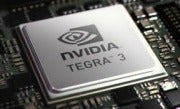
NVdia Tegra 3HTC pulled a similar trick with the One X. The global version runs on an NVidia Tegra 3 processor, while the U.S. phone uses a dual-core Qualcomm Snapdragon S4 processor. NVidia’s quad-core processor was not yet compatible with AT&T’s LTE network at the time of the One X’s manufacture. In our benchmarks, however, the U.S. version of the One X did quite well despite having fewer cores.

When Will the S III Come to the United States?

According to our sources at Samsung, the 4G (HSPA+/LTE) versions of the S III will come to North America this summer. Samsung said it will optimize the phones for the LTE and HSPA+ networks. Timing, pricing, or carrier partners have not yet been announced.

What is the Deal with the New Sharing Apps?

Samsung made a big deal about the ease of sharing from the S III, but from what I can tell, it looks like you can only share from your S III to another. Samsung has enhanced Android Beam, which allows large files to be transferred between phones quickly. Now called S Beam, you can share music, photos, and up to 1GB of video from your S III to your buddy’s S III.
To help you understand, here's how Android Beam works on the Galaxy Nexus.
Samsung also enhanced its DLNA service for sharing content from your phone to your TV. AllShare Cast lets you wirelessly connect your Galaxy S III to your TV, tablet, or PC and share files over WiFi. However, you’ll have to buy the separate All Cast Hub accessory in order to use this feature (see the Accessories question below)

What is an HD Super AMOLED display?

The 3.4-inch-thick S III has a 4.8-inch HD Super AMOLED display with a 1280-pixel by 720-pixel resolution. This is the same display technology we saw on the Galaxy Nexus. The Galaxy S II had Super AMOLED Plus, which is actually based on a PenTile pixel structure in which pixels share subpixels.
The Galaxy S II phones, on the other hand, have full RGB displays in which the pixels have their own subpixels. This means that HD Super AMOLED displays have lower overall subpixel density, which could translate to reduced sharpness and degraded color accuracy.
When we compared the Galaxy Nexus to the Galaxy S II, however, we didn’t notice a huge difference in display quality. The only quality different we detected was color accuracy, especially with whites (they appeared to have a yellowish tint). I have yet to see the Galaxy SIII up close and personal, so I’m not sure if it suffers from this same issue
One cool thing is that despite the Galaxy S III having a larger display than its predecessor (4.8 inches versus 4.3/4.5 inches), it isn’t much bigger. There’s very little bezel around the phone as the display takes full advantage of the hardware real estate.

Will Battery Life Really Improve?

Battery life is the bane of every tech user. Samsung claims that it won’t be an issue with the S III as it has a larger 2100mAh battery. For comparison, the Galaxy S II has a 1560mAh battery, while the Galaxy Nexus has a 1750mAh battery. The granddaddy of phones with long battery life, the Droid Razr Maxx, has a 3300mAH battery.
I fear that Samsung’s all-seeing front-facing camera might put a strain on the battery life, however. Also, phone manufacturers still haven’t worked out all the kinks with battery conservation on LTE networks. Battery life will depend on what sort of processor Samsung is packing into its S III phones for the United States and, as we’ve learned, this is still very much up in the air.

Is the Camera Any Good?

The Samsung Galaxy phones have always performed quite well in our PCWorld Test Center camera subjective tests. While I haven’t personally gotten my hands on the Galaxy S III’s 8-megapixel camera, I can tell you a little bit about its new features.
According to Samsung, the Galaxy S III will have zero shutter lag. The company also claims that the camera will start in “less than one second.” The S III will also have a burst-shot mode, a feature we saw on HTC’s One phones.
The S III camera also will have a feature called “Best Photo,” which will automatically select your best photos out of a series of eight photos taken in succession. But do you really want your phone to be your photo assistant?

What About Accessories?

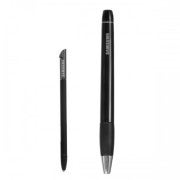
Samsung Galaxy Note S PenSamsung Galaxy Note S PenSamsung announced a slew of accessories, including a C Pen stylus (which seems pretty similar to the S Pen on the Galaxy Note), an AllShare Cast Hub for wireless streaming, a docking station for your desk, a wireless charger, a car kit, and an HDMI adapter.
Samsung also announced the S Pebble “music companion” MP3 player. Why does this accessory look so familiar? Oh yes, in 2009, I reviewed the Samsung Pebble MP3 player which looks strikingly similar to the S Pebble.

Is the Galaxy Nexus Outdated Now?

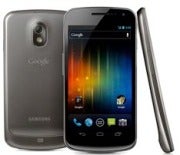
Samsung Galaxy NexusSamsung Galaxy NexusNo, relax. It might not have as many cores as the S III, and the display might be a little smaller, but don’t feel bad if you just walked out of the store with a brand new Galaxy Nexus. Your Galaxy Nexus is still an excellent, current phone and offers something the Galaxy S III does not: A pure, untouched Android experience.
Have more questions? Sound off in the comments and I’ll try my best to answer them for you.


Samsung Galaxy S III vs. HTC One X vs. iPhone 4S

Now that we finally know the details, find out how the Galaxy S III measures up to the HTC One X and iPhone 4S.


Samsung Galaxy S III
The Galaxy S III packs some power under its hood.
(Credit: Luke Westaway/CNET UK)
At last, concrete specifics of the much anticipated and rumored Samsung Galaxy S III have been revealed. At today's Mobile Unpacked press event in London, Samsung officially pulled the tarp off of the smartphone and it looks like speculation about the device was right on the money. Find out how this Android superphone stands up against stiff competition from arch rivals, the Apple iPhone 4S and new HTC One X (AT&T).
Running Samsung's own 1.4GHz quad-core Exynos processor, Android Ice Cream Sandwich, 1GB of RAM, plus internal storage ranging from 16GB up to 64GB, the Galaxy S III is certainly a mobile force to be reckoned with. In fact, the phone's components including a powerful 8MP main camera offers many of the same standout imaging features found in the HTC One X such as burst mode and nimble shot-to-shot times. Its four computing cores also threaten to leave the iPhone 4S and dual-core HTC One X in the dust.
Samsung's latest creation also boasts a host of slick voice and face recognition abilities that may beat the iPhone 4S at its own personal assistant game. See how the chips fall in this side-by-side comparison of all three devices. Also be sure to read Aloysius Low's detailed hands-on with the Samsung Galaxy S III.


Samsung Galaxy S III (Unlocked) HTC One X (AT&T) Apple iPhone 4S
Operating system Android Ice Cream Sandwich Android Ice Cream Sandwich iOS 5
Dimensions 5.4 inches tall by 2.8 inches wide by 0.34 inch thick; 4.7 ounces 5.2 inches tall by 2.6 inches wide by 0.3 inch thick; 4.6 ounces 4.5 inches tall by 2.3 inches wide by 0.4 inch thick; 4.9 ounces
Display 4.8-inch, 1280x720-pixel HD Super AMOLED touch screen 4.7-inch, 1280x720-pixel Super LCD touch screen 3.5-inch, 960x640-pixel Retina Display touch screen
Camera 8-megapixel camera with LED flash, autofocus, 1080p HD video recording, backside-illuminated sensor; front-facing 1.9-megapixel camera 8-megapixel camera with LED flash, autofocus, 1080p HD video recording; front-facing 1.3 camera 8-megapixel camera with LED flash, autofocus, 1080p HD video recording; front-facing VGA camera
Processor Samsung Exnyos quad-core 1.4GHz processor* Qualcomm Snapdragon S4 dual-core 1.5GHz processor** Dual-core 1GHz A5 processor with dual-core graphics
Storage 16GB, 32GB, 64GB 16GB, 32GB 16GB, 32GB, 64GB
Expansion slot Yes No No
NFC support Yes Yes No
Connectivity Bluetooth 4.0; Wi-Fi (802.11a/b/g/n);GSM/HSPA+ 21 Bluetooth 4.0; Wi-Fi (802.11a/b/g/n); WCDMA (UMTS)/GSM; LTE Bluetooth 4.0; Wi-Fi (802.11b/g/n); GSM/HSPA+ 14.4; CDMA/EV-DO Rev. A
World phone Yes Yes Yes (select models)
Battery size 2,100 mAh,removable 1,800 mAh, not removable NA, not removable
Carriers Unlocked AT&T AT&T, Sprint, Verizon
Pricing (on contract) TBA $199.99 $199 for 16GB, $299 for 32GB, $399 for 64GB

*Samsung hasn't announced the specs for the U.S. version of the Galaxy S III. Processor specs could change with that announcement.
**HTC's global version of the One X runs on an Nvidia Tegra 3 quad-core processor.